
History
KIM & CHO : A Timeline of Korean IP
A Legacy of Intellectual Property Law in Korea IP History
Kim & Cho's history (“The Beginning of Korean IP: Korean IP Advocates Since 1953”) is deeply interwoven with the story of intellectual property in Korea. From the nation's first steps in IP to its current status as a global innovator, we have been there, guiding and growing alongside our clients.
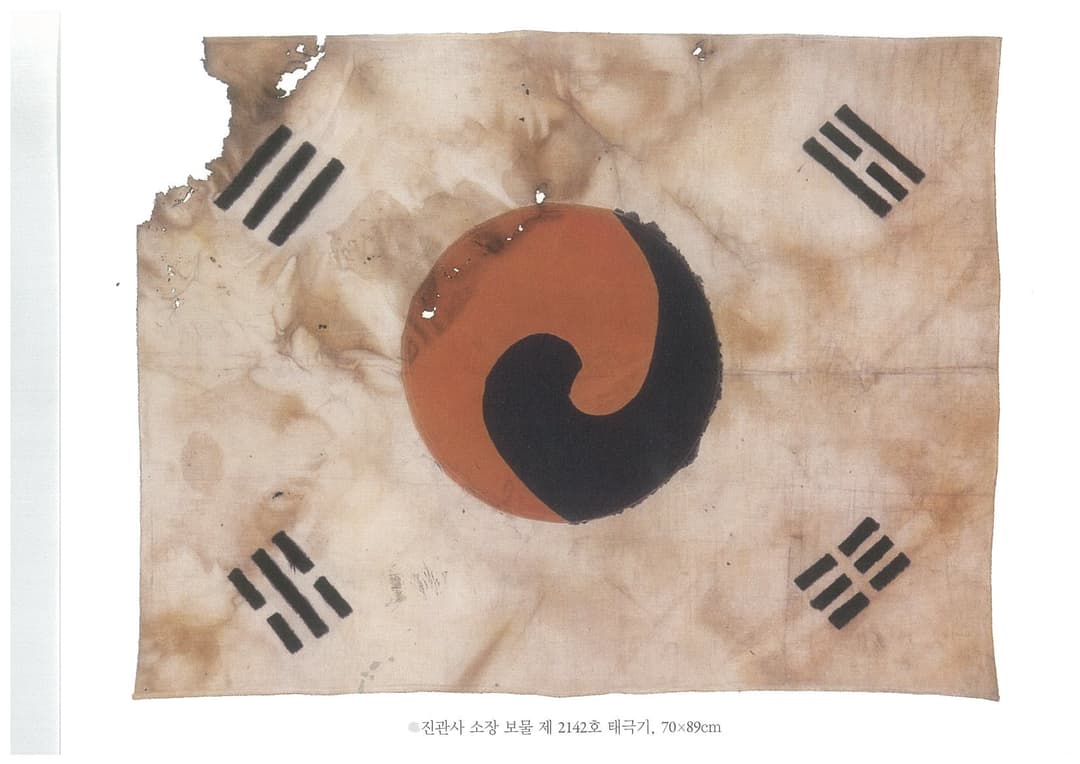
The Dawn of Korean IP (1945 – 1970)
This era saw the foundation of both Korea's modern intellectual property system and KIM&CHO.
- 1945
Liberation and independence from Japan.
- 1946 – 1947
Enactment of Korea's first modern IP laws: the Patent Act (1946) and the Trademark Act (1947).
- 1946
A total of only four patent applications were filed in Korea.
- 1950 – 1953
The Korean War.
- 1953
Founding partners Kim Ui-chang and Cho Seon-hwang began their IP practice, handling Korea's first foreign patent and trademark applications (November 1953).
‘A total of 6 foreign patent applications and 8 foreign trademark applications were filed this year, all processed by Kim & Cho.’ - 1954
The firm was formally renamed Kim & Cho Patent Law Office.
- 1961
Comprehensive new IP laws were enacted: the Patent Act, Utility Model Act, Design Act, and Trademark Act.
Formation & Expansion of Korean IP (1971 – 2025)
This period marked Korea's rapid industrialization and its integration into the global IP community, with Kim & Cho at the forefront.
- 1979
Establishment of the Korean Patent Office (KPO).
- 1980 – 1984
Korea joined major international treaties:
1980 – Acceded to the Paris Convention for the Protection of Industrial Property (May).1984 – Acceded to the Patent Cooperation Treaty (PCT) (August). - 1995
Korea joined the World Trade Organization (WTO) (January).
- 2006
The Korean Patent Office (KPO) was renamed the Korean Intellectual Property Office (KIPO).
- 2025
The name of the Korean Intellectual Property Office officially changed to the Ministry of Intellectual Property (MOIP) on October 1, 2025. KIPO's status was elevated to a vice-ministerial level agency, reinforcing the national importance of IP.
Handling the First Foreign Patent Applications (1953)
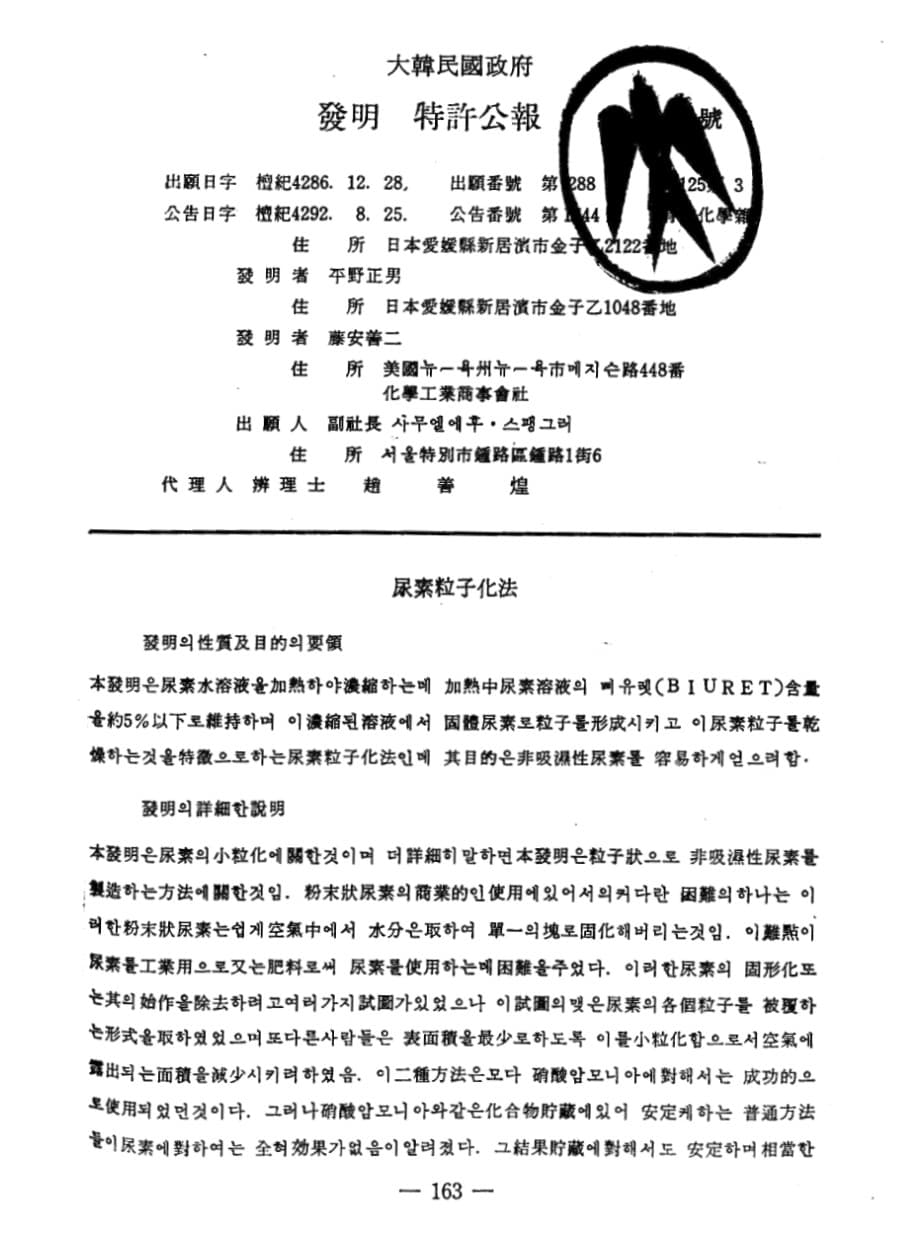
Recently, South Korea receives approximately 250,000 patent and utility model applications each year. This massive volume stands in stark contrast to the birth of the nation's patent system in 1946, which recorded a mere four applications. Filings remained under 50 annually until 1952. The landscape began to shift in 1953 when foreign applicants entered the market, contributing 6 out of 99 total filings, followed by 4 out of 129 filings in 1954. Notably, KIM&CHO managed the application and registration processes for all 10 of these historic foreign cases between 1953 and 1954, positioning the firm at the very forefront of Korea's international IP history.
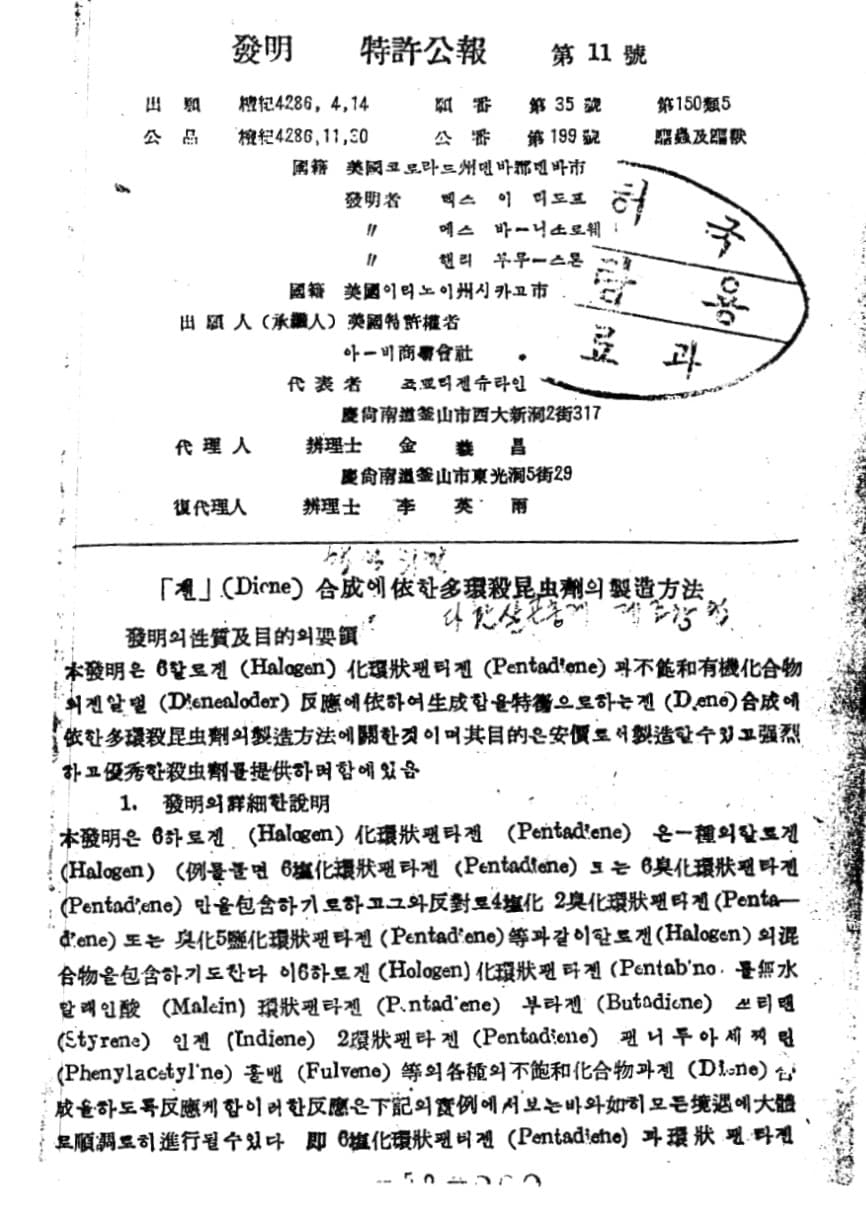
In 1953, only six foreign patent applications were filed in Korea. The first applications among them were two chemical-related patent applications submitted on April 14, 1953 by a U.S. company, both handled by KIM&CHO. These cases marked the beginning of foreign patent activity in Korea, with KIM&CHO at the forefront.
- Method for producing pesticides using polycyclic halogenated carbohydrates and their derivatives (10195330000035, April 14, 1953)
- Method for producing polycyclic insecticides by diene synthesis (April 14, 1953)
Pioneers in Foreign Trademark Filings (1953–1954)
Of the 154 total trademark applications filed in Korea in 1953, only 8 were from foreign applicants—all filed and registered through KIM&CHO. By 1954, the number of foreign trademark filings rose significantly to 107 out of 261 total applications, the majority of which were also managed by KIM&CHO.
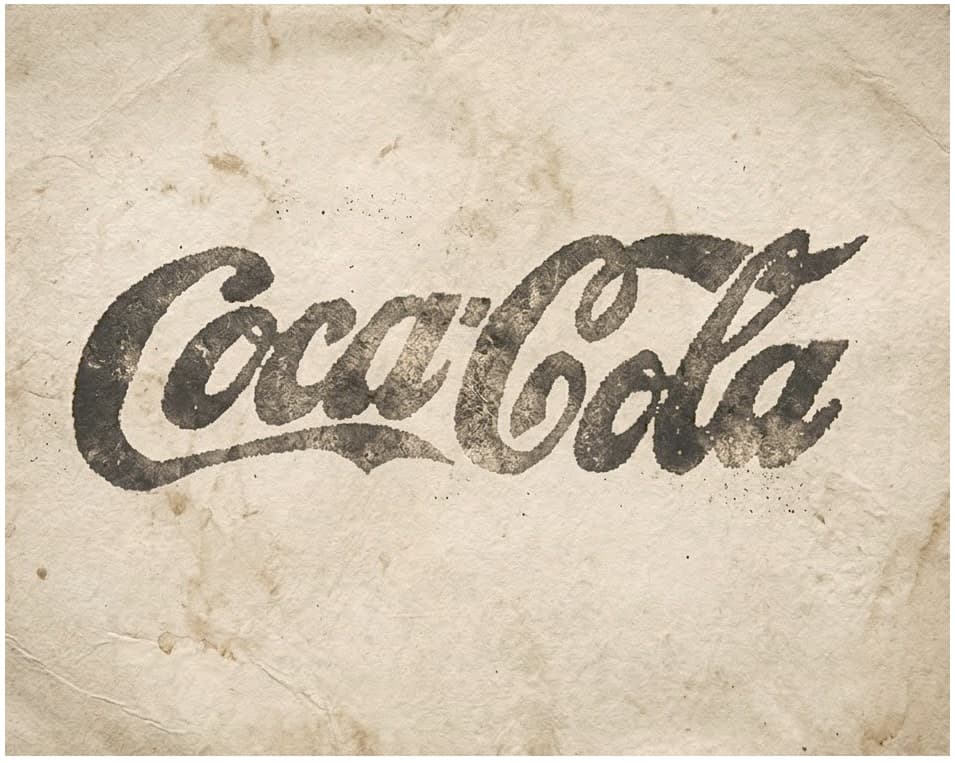
These included trademarks from globally renowned companies such as: IBM, Coca-Cola, Pyrex, Delmont, Victor, RCA, Symons, and Caltex, many of which remain active in Korea today. Remarkably, many of these trademarks are still protected in Korea today, a testament to our enduring role as trusted IP counsel for the world's most prestigious brands.
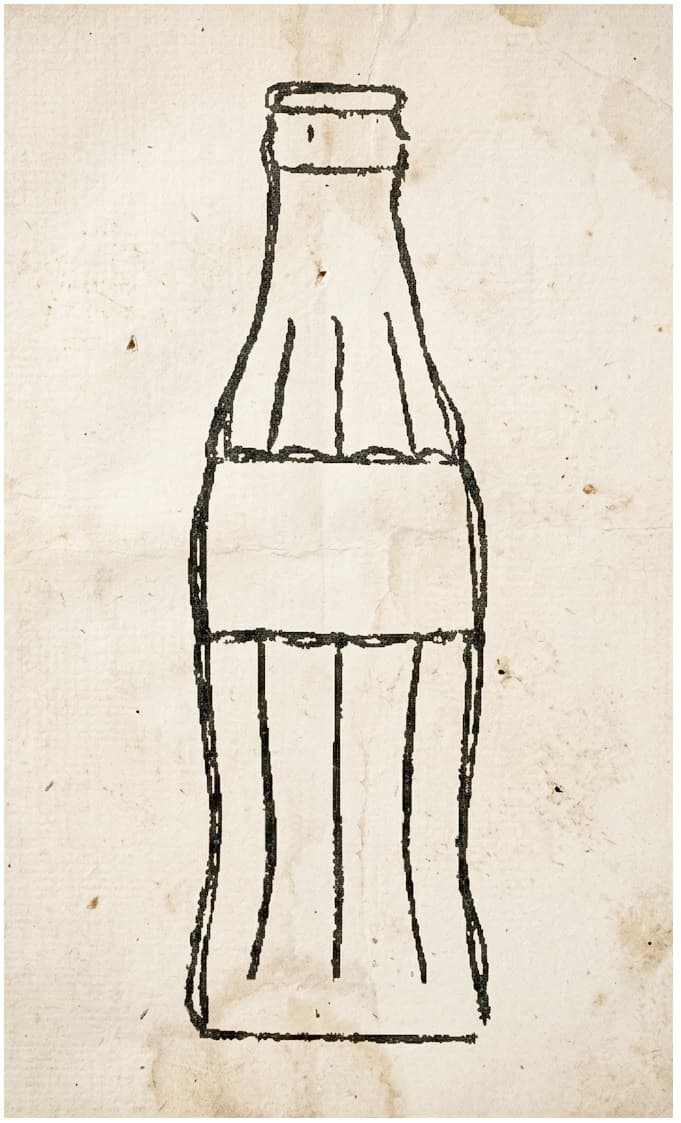
Notably, the Coca-Cola bottle design trademark was also registered as a trademark through KIM&CHO, symbolizing one of the most iconic moments in Korea's trademark history.

Pioneers in Foreign Trademark Filings (1953–1954)
Of the 154 total trademark applications filed in Korea in 1953, only 8 were from foreign applicants—all filed and registered through KIM&CHO. By 1954, the number of foreign trademark filings rose significantly to 107 out of 261 total applications, the majority of which were also managed by KIM&CHO.
These included trademarks from globally renowned companies such as: IBM, Coca-Cola, Pyrex, Delmont, Victor, RCA, Symons, and Caltex, many of which remain active in Korea today. Remarkably, many of these trademarks are still protected in Korea today, a testament to our enduring role as trusted IP counsel for the world's most prestigious brands.
Notably, the Coca-Cola bottle design trademark was also registered as a trademark through KIM&CHO, symbolizing one of the most iconic moments in Korea's trademark history.
Representative Historical Foreign Trademark Filings
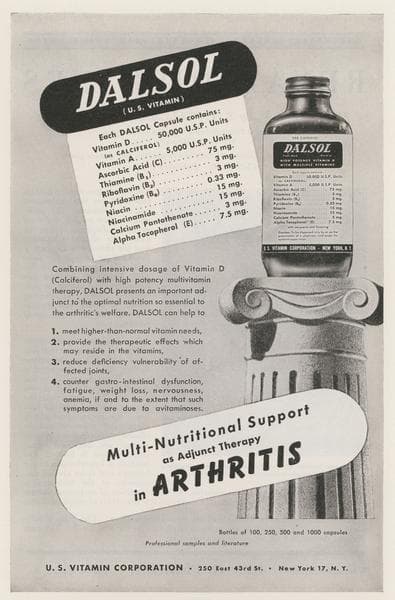
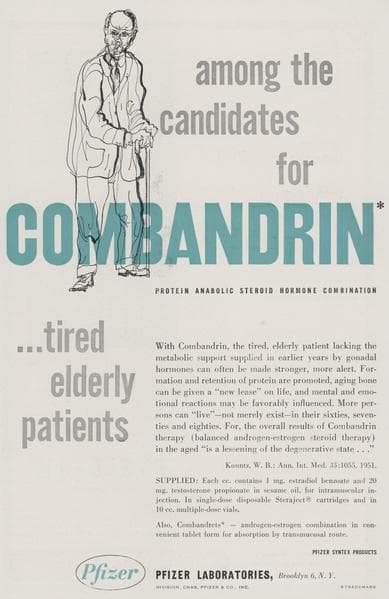
- Combandrin (40-1953-0000202) & Syngesterone (40-1953-0000203) (November 23, 1953)
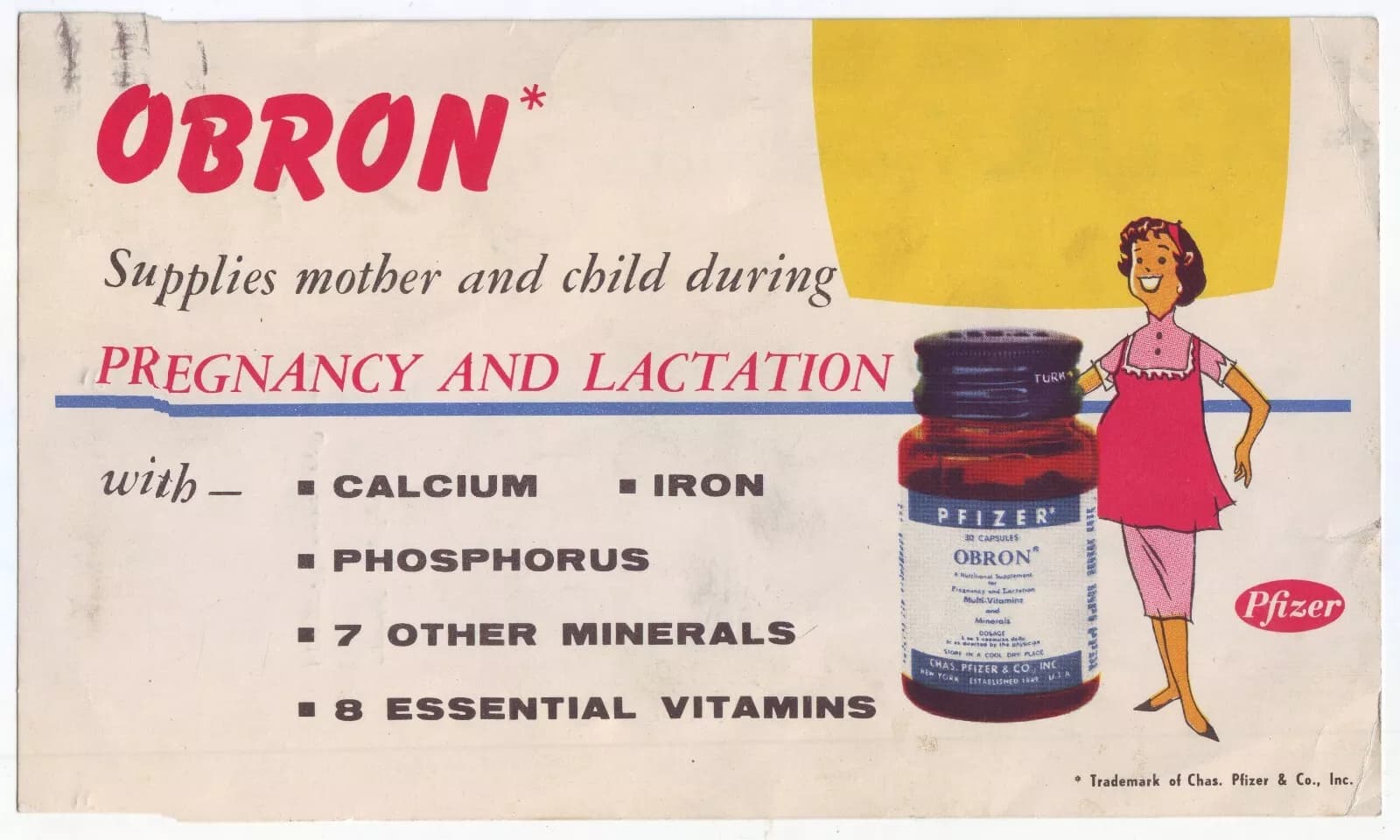
The first foreign (U.S.) pharmaceutical trademark ever registered in Korea. - Obron (40-1953-0000218) (December 14, 1953) By Pfizer
- Coca-Cola Bottle Design & letter Trademark (1954)
A historic filing that remains an enduring symbol of global branding in Korea.