
Pointed Area · Seoul
Pointed Area : Curated by KIM&CHO
The Gwanghwamun area, where KIM&CHO is located, has stood at the heart of Korea's political and economic life for over 500 years, from the Joseon Dynasty (1392–1910) to the present day. Historically, this district served as the seat of key government offices and royal palaces, with the nearby Bukhansan Mountain as its backdrop. Today, centered around Gwanghwamun Square, it remains a vital hub, home to the Blue House, major government institutions, Sejong Art Hall, the National Museum of Modern and Contemporary Art, the U.S. Embassy, and the headquarters of leading corporations. Blending administrative, commercial, and touristic elements, the Gwanghwamun area buzzes with vitality year-round.
To enhance your understanding and enjoyment of Korea during your business trip, we have curated a selection of must-visit places. We sincerely hope this guide enriches your time in Seoul and offers you a deeper glimpse into the heart of Korea.
In particular, when your travels take you to the historic Gwanghwamun area, we cordially invite you to visit our office. We would be delighted to welcome you and serve as a reliable partner during your stay. We are always looking forward to your visit with great pleasure. We wish you a highly productive and memorable time here in Seoul.
Practical Tips
- For navigation, we recommend Naver Map over Google Maps, as it offers superior public transit integration.
- Getting around: Use Seoul's excellent public transportation, or ride-hailing apps like Uber or K.Ride. For airport transfers, the airport limousine bus is a convenient option.
- Within the city, Ddareungi (public bikes) are a great choice near Gyeongbokgung and Gwanghwamun Square — though navigating Seoul's busy streets may be challenging elsewhere.
We hope KIM&CHO's advice adds value to your journey and helps you create wonderful memories in Korea.
Explore Travel Tips : Curated by KIM&CHO
Planning a visit to the Gwanghwamun area? Reach out and our team will share tailored recommendations for your itinerary, dining, and stay.
Explore Travel TipsRecommended Korean Cuisine
Curated by KIM&CHO
 Hanjeongsik— traditional full-course meal
 Pyongyang naengmyeon— cold buckwheat noodles
 Samgyetang— ginseng chicken soup
 Mandu-guk— dumpling soup
 Ganjang gejang— soy-marinated raw crab
While samgyetang, mandu-guk, and hanjeongsik are generally well-received by international palates, Pyongyang naengmyeon and ganjang gejang may be more polarizing — yet they offer a deeper dive into Korea's culinary diversity. We encourage you to give them a try.
Must-Visit Places
Gwanghwamun Square
Located on Sejong-daero in Jongno-gu, Seoul, Gwanghwamun Square is a premier historical and cultural space of South Korea. It carries on the legacy of Yujogori, the street of major government offices during the Joseon era, and offers sweeping views of Gyeongbokgung Palace and Bukhansan Mountain.
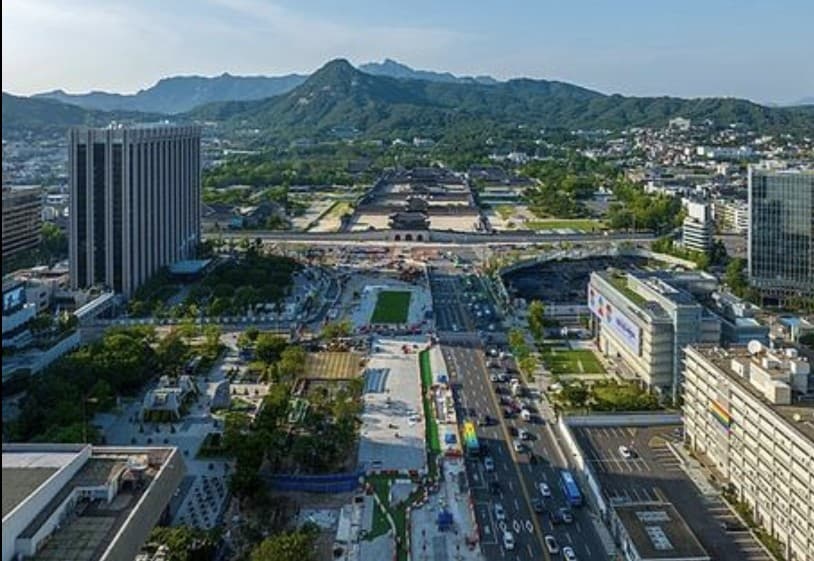
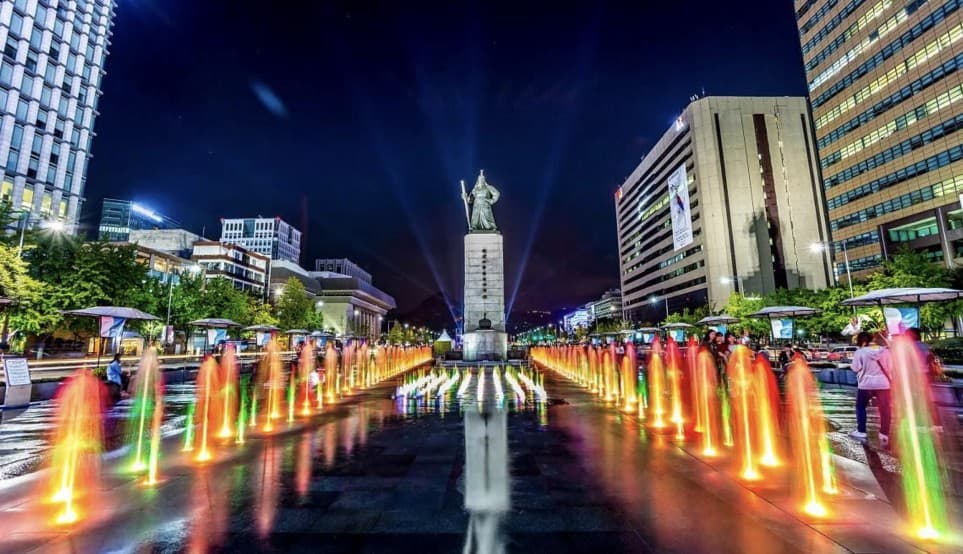
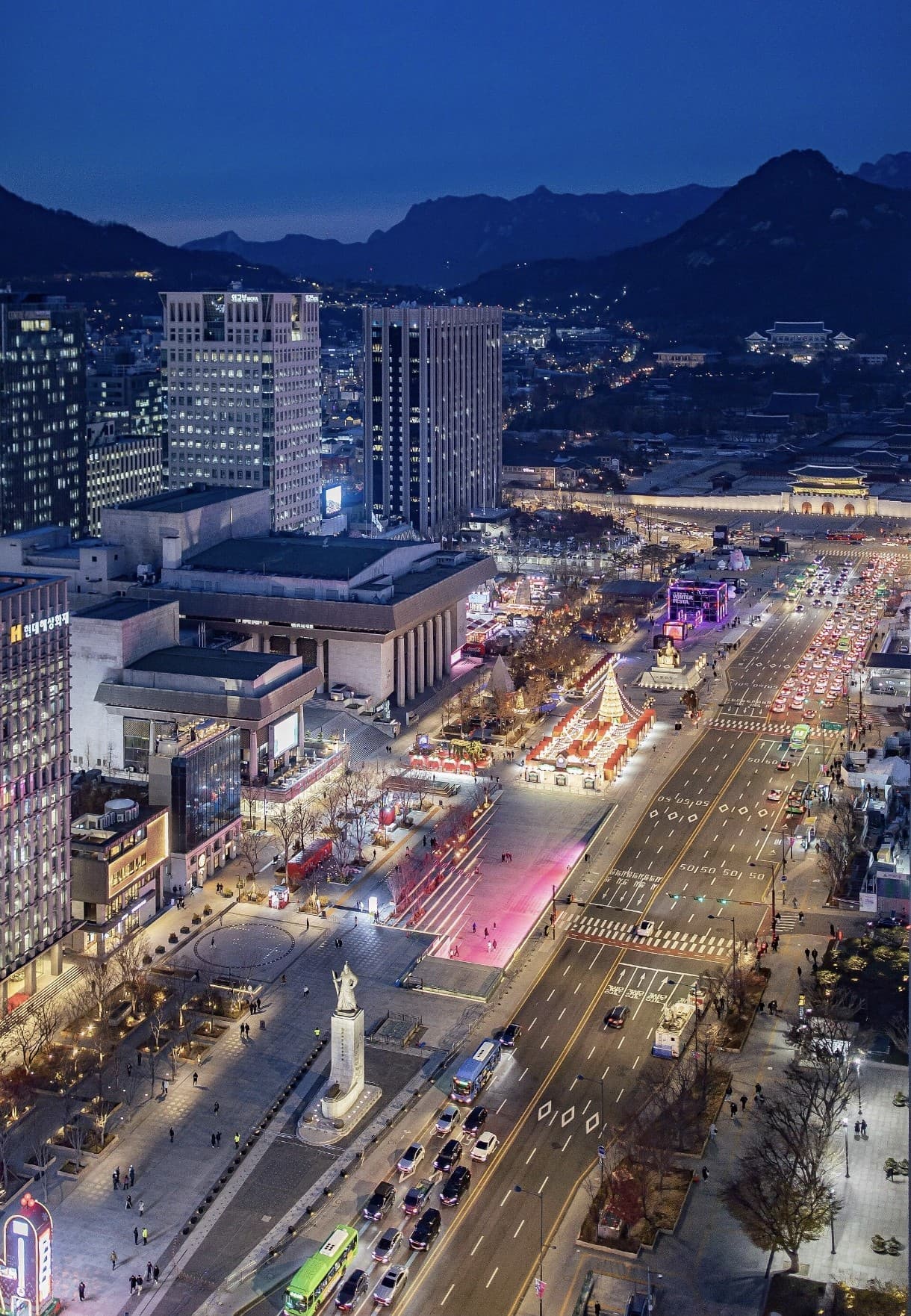
Gwanghwamun Square across day, night, and twilight — the historic heart of Seoul. A Taste of this area : Curated by KIM&CHO
- Tosokchongoogle map — Korea's most renowned samgyetang (ginseng chicken soup) restaurant.4.5
Bukaksan Mountain
Towering 342 meters behind Gyeongbokgung, Bukaksan is one of the four inner mountains (along with Naksan, Namsan, and Inwangsan) that surrounded the capital during the Joseon Dynasty. Considered the principal mountain, it was believed to uphold the spiritual energy of Hanyang (old Seoul). A favorite among locals for hiking, it offers scenic trails along the Seoul City Wall — perfect for a weekend trek.
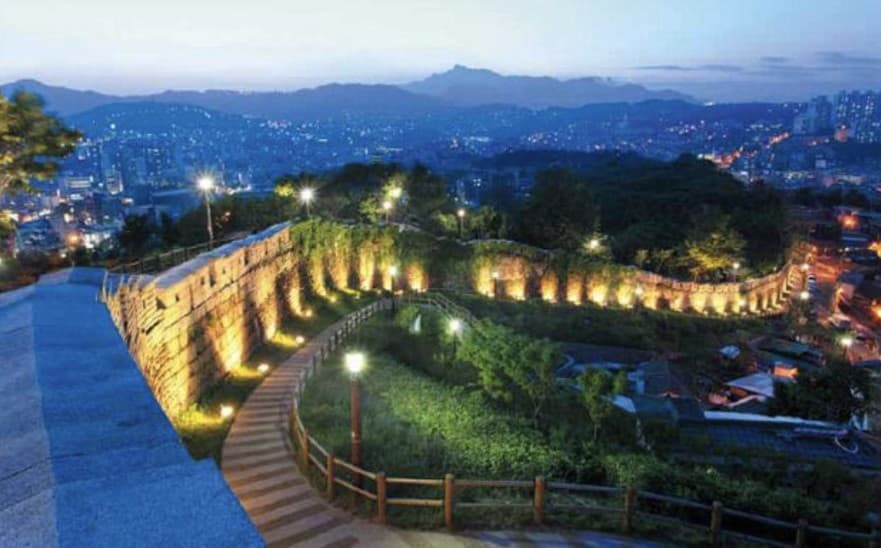

Bukaksan — the Seoul City Wall trail at dusk and summit views over the capital. A Taste of Seoul : Curated by KIM&CHO
- Jaha Sonmandugoogle map — Traditional Korean hand-made dumpling soup infused with the spirit of Bukhansan.4.5
Biwon (Secret Garden) & Gyeongbokgung Palace
Biwon, the rear garden of Changdeokgung Palace, is often referred to as the "Secret Garden." It was a royal retreat where kings and their families rested, strolled, and pursued scholarly activities. Rather than imposing artificial designs, the garden harmonizes with the natural terrain, featuring pavilions and ponds in a distinctly Korean landscape style. We recommend booking at least six days in advance for guided tours. Gyeongbokgung, built in 1395 by King Taejo of the Joseon Dynasty, is the principal palace of the dynasty. It served as the center of royal politics and state ceremonies.
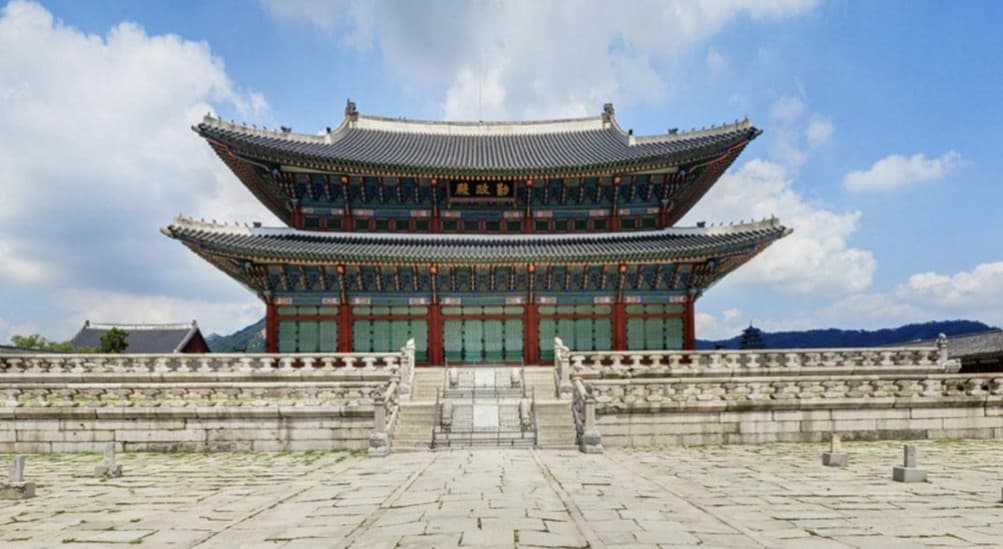
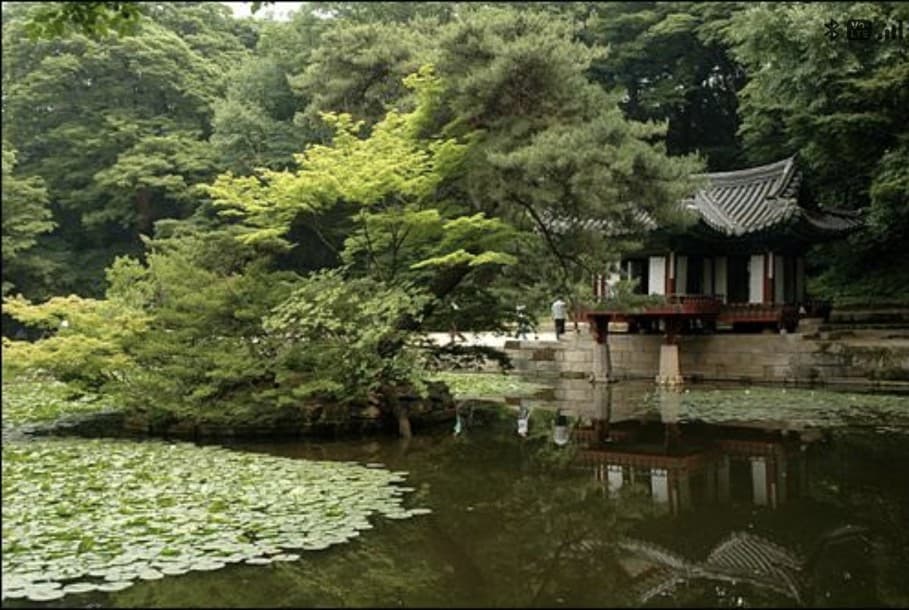
Biwon & Gyeongbokgung — the palace throne hall and the serene Secret Garden pond. A Taste of this area : Curated by KIM&CHO
- Dugahungoogle map — Italian cuisine served in a traditional hanok (Korean house).4.2
Insa-dong
Insa-dong is Seoul's representative cultural street, where tradition and modernity coexist. Home to the Joseon-era art bureau (Dohwaseo) and government offices, it is now lined with antique shops, traditional craft stores, hanji (Korean paper) and brush sellers, pottery shops, tea houses, and galleries. Hidden alleyways reveal small hanok-turned-galleries, artisan workshops, and tranquil tea houses. The renowned Ssamziegil complex stands as a cultural landmark in the area.
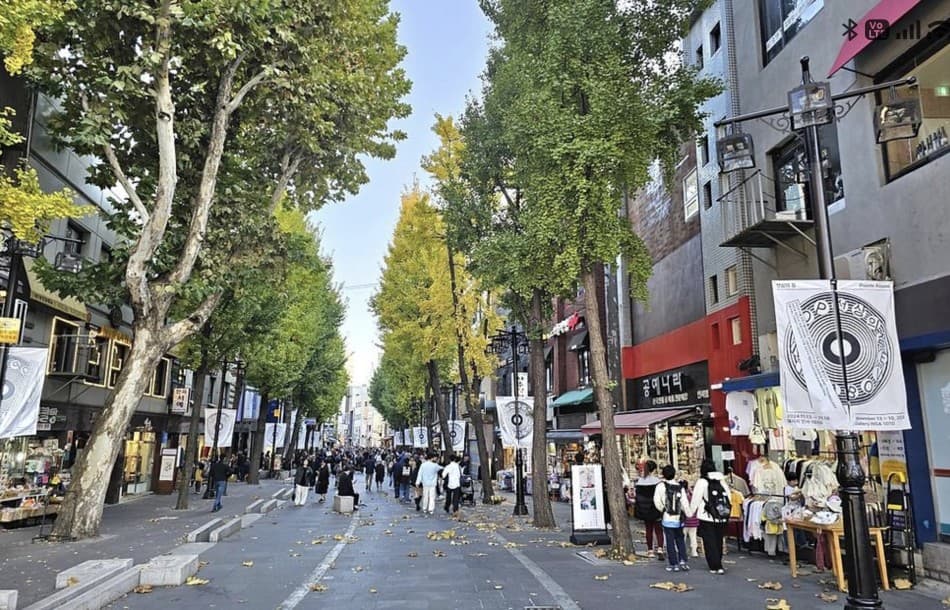
Insa-dong — Seoul's cultural street lined with galleries, craft shops, and tea houses. A Taste of this area : Curated by KIM&CHO
- Sanchongoogle map — An evening dining experience blending Korean traditional performances and temple cuisine.4.2
- Toetmaru Doenjang Yesulgoogle map — A popular, affordable spot for approachable Korean home-style dishes.4.2
- Andong Guk-si Soramgoogle map — A signature noodle restaurant specializing in traditional Andong-style noodles.4.2
Gwangjang Market
Opened in 1905, Gwangjang Market is one of Korea's first permanent traditional markets and a beloved Seoul icon with over a century of history. Famous for its food alley, it offers a smorgasbord of street foods — savory bindaetteok (mung bean pancakes), addictively small kimbap (affectionately dubbed "drug kimbap"), yukhoe (raw beef), live octopus, sundae (blood sausage), and tteokbokki (spicy rice cakes). The joy of squeezing onto narrow benches and savoring these treats is part of the market's unique charm. It's a place to soak in the nostalgic, vibrant atmosphere of old Seoul — a must-visit for those wanting to experience a traditional Korean market.
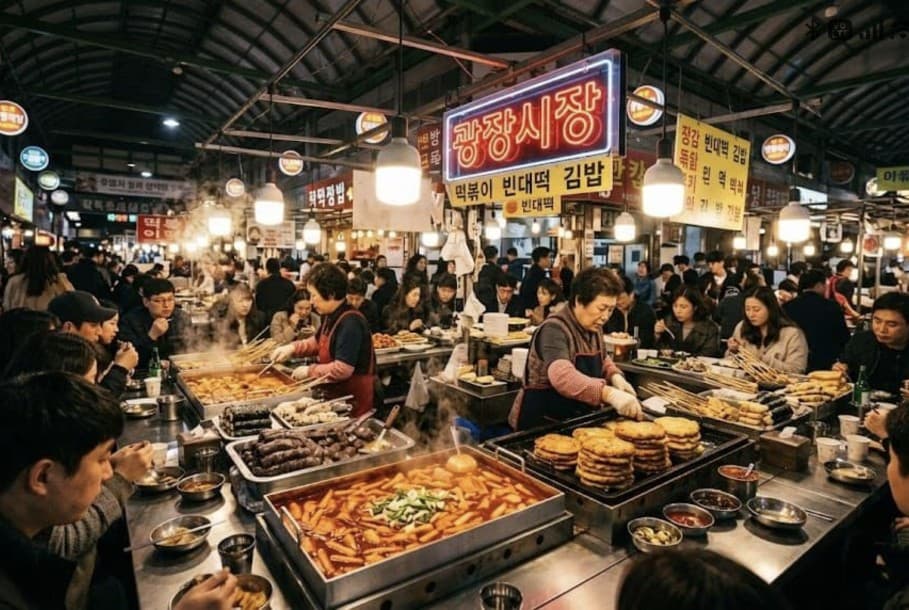
Gwangjang Market — Seoul's legendary food alley, buzzing with over a century of history. Gilsangsa Temple
Nestled in the upscale neighborhood of Seongbuk-dong, Seongbuk-gu, at the foot of Bukaksan, Gilsangsa is a serene Buddhist temple of the Jogye Order. Though located in the city, it offers a tranquil mountain retreat for those seeking a quiet temple stay in Seoul. Originally the site of the luxurious traditional restaurant Daewongak, the property was donated by its owner, the late Kim Yeong-hee, to renowned monk Beopjeong, and Gilsangsa was established in 1997. The name "Gilsang" means "auspicious and blessed fortune."
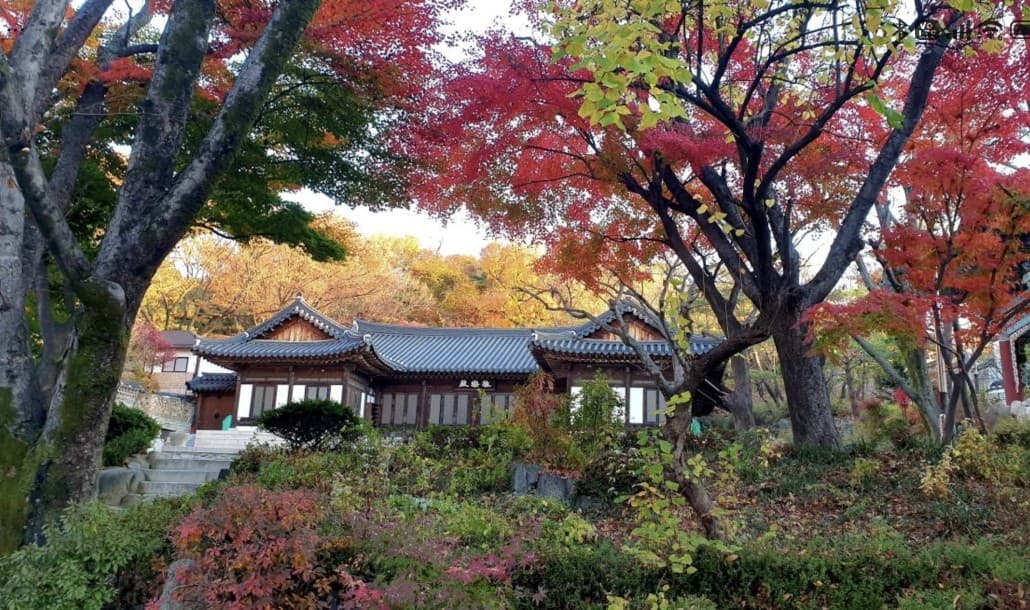
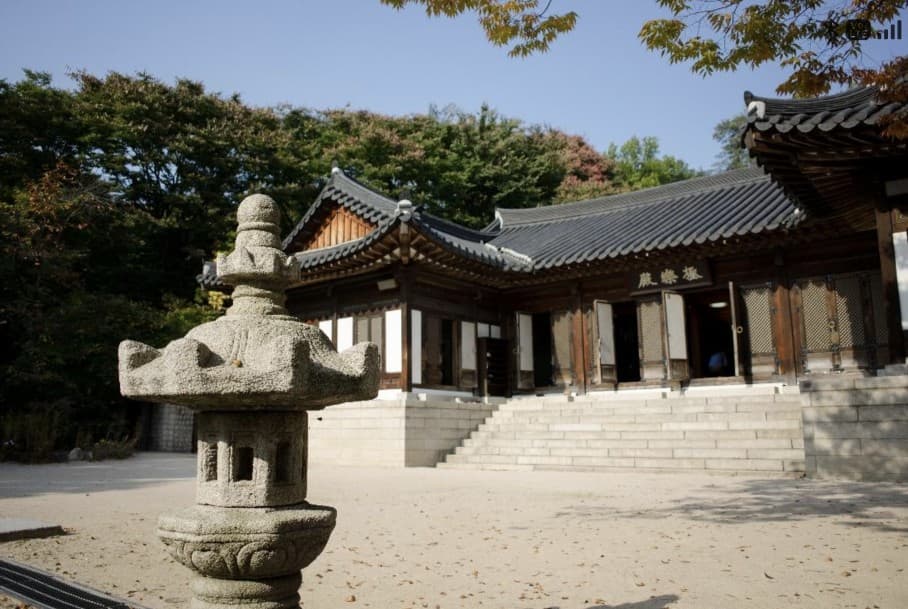
Gilsangsa — a serene city temple wrapped in autumn color at the foot of Bukaksan. National Museum of Korea
As Korea's premier comprehensive museum, the National Museum of Korea showcases a wide range of historical and cultural artifacts from the prehistoric era to modern times, including treasures from various Asian countries. Located near Yongsan Family Park and Ichon Hangang Park, it's an ideal spot for a post-museum stroll. A must-visit cultural venue for families and anyone interested in Korean and Asian heritage.
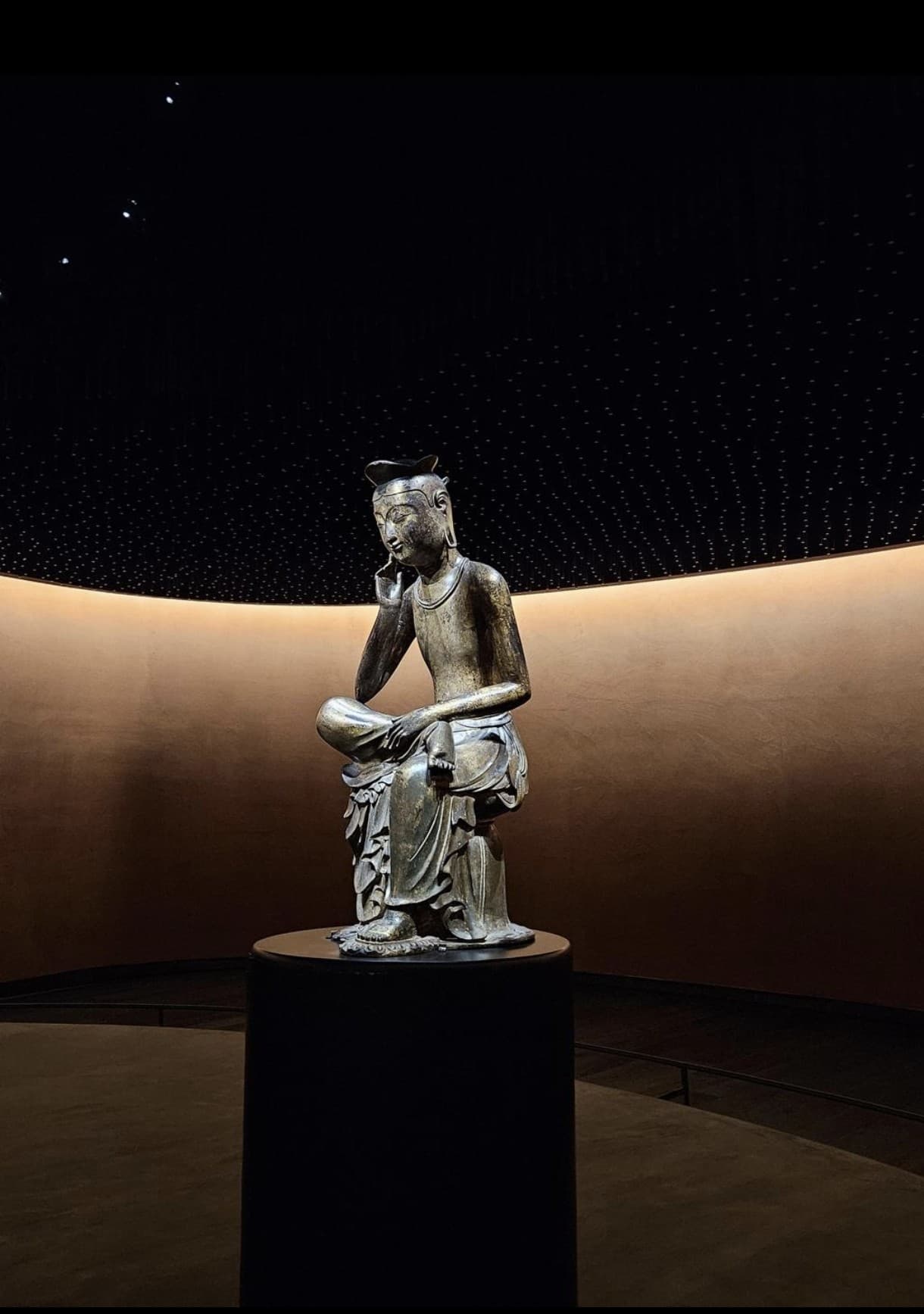
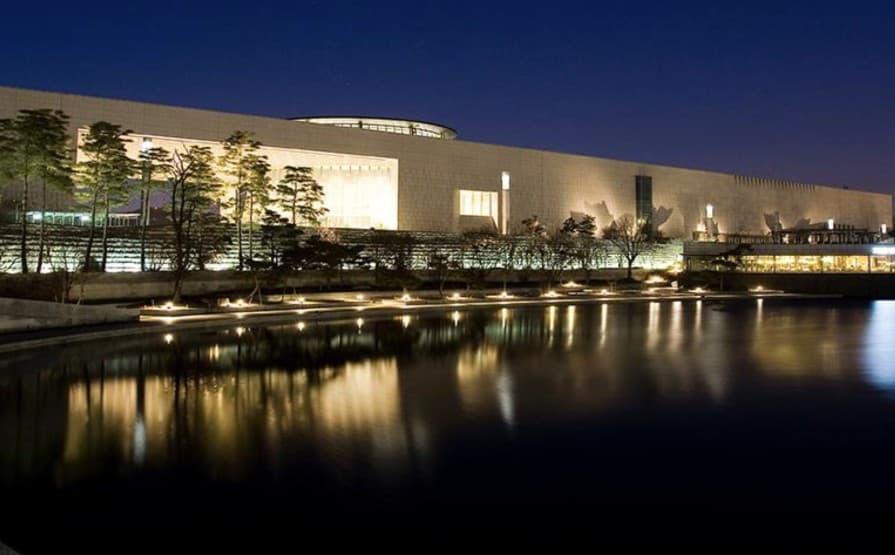
National Museum of Korea — the Pensive Bodhisattva and the museum at nightfall. Bukak Skyway Drive
One of Seoul's most celebrated urban driving routes, the Bukak Skyway stretches about 10 kilometers along the ridge of Bukaksan Mountain. This scenic mountain road lets you enjoy lush forest views and breathtaking panoramas of downtown Seoul without the need for hiking. Starting from Sajik-dong or Buam-dong near Gwanghwamun, driving up to Bukakjeong Pavilion for a sweeping city view, then passing through Seongbuk-dong to Gilsangsa before returning to Gwanghwamun makes for a highly recommended itinerary.
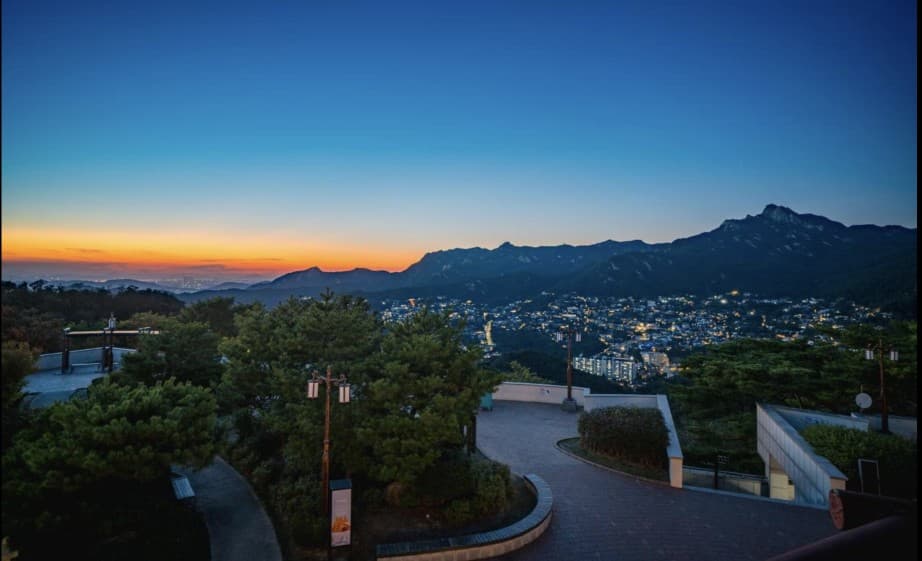
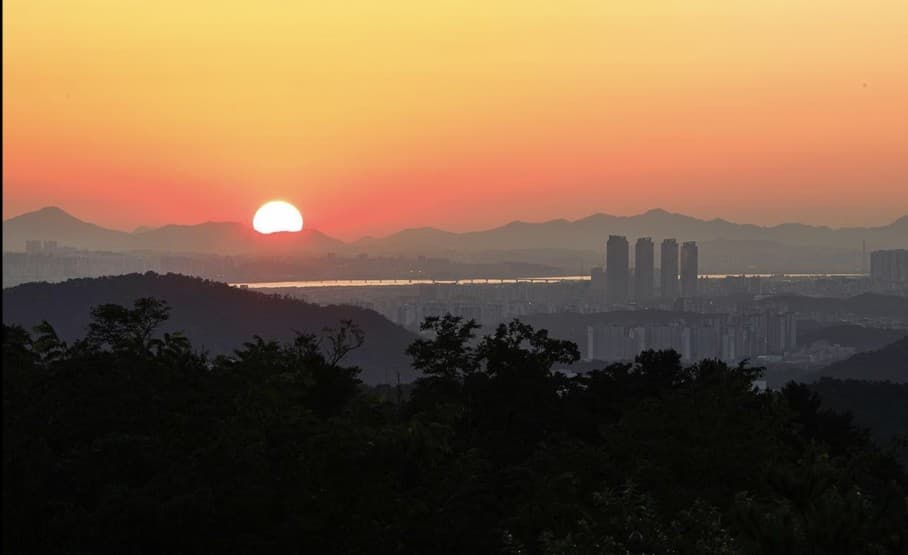
Bukak Skyway — the Palgakjeong overlook and sweeping sunset views over Seoul.