Additional Guide · Seoul
A More Exciting Side of Seoul
If you want to experience a more exciting side of Seoul, we highly recommend exploring the city's diverse charms — from Han River night views and vibrant pojangmacha nightlife to passionate baseball stadium cheering, modern shopping malls, and trendy streets.
These are the experiences that reveal how Seoulites actually live and play, well beyond the usual guidebook. We've curated them so that your time between meetings and after hours is every bit as memorable as the city's historic landmarks. Curated by KIM&CHO hopes this guide adds real color to your stay in Seoul.
Practical Tips
- Han River parks are best experienced in the evening — Banpo Bridge's night cityscape and the Moonlight Rainbow Fountain are the highlight.
- Korean stadiums let fans bring in their own outside food, so grab chicken and beer before a game at Jamsil.
- When online booking sells out, foreign visitors can buy designated on-site baseball tickets at the stadium with a passport.
- Euljiro, Dongdaemun (DDP), and Seongsu all come alive after dark — plan these from dusk into the late-night hours.
- Pair COEX's ultra-modern Starfield Library with historic Bongeunsa Temple right across the street.
We hope KIM&CHO's advice adds value to your journey and helps you create wonderful memories in Korea.
Must-Experience Places
Banpo Hangang Park
Google MapsExpress Bus Terminal Station — Line 3 (Orange), Line 7 (Olive Green), Line 9 (Gold), Exit 8-1The Han River flows through the heart of Seoul from east to west — a massive urban river roughly 494 km long and 1.2 km wide on average. Its riverside Hangang Parks are where Seoul residents gather for walks, cycling, picnics, and night views.
Banpo Hangang Park is especially popular for its stunning night cityscape framed by Banpo Bridge. Enjoy the local ritual of chimaek (fried chicken and beer) by the water, stroll the waterfront, or rent a bike. Visit in the evening to fully take in Seoul's beautiful night views.
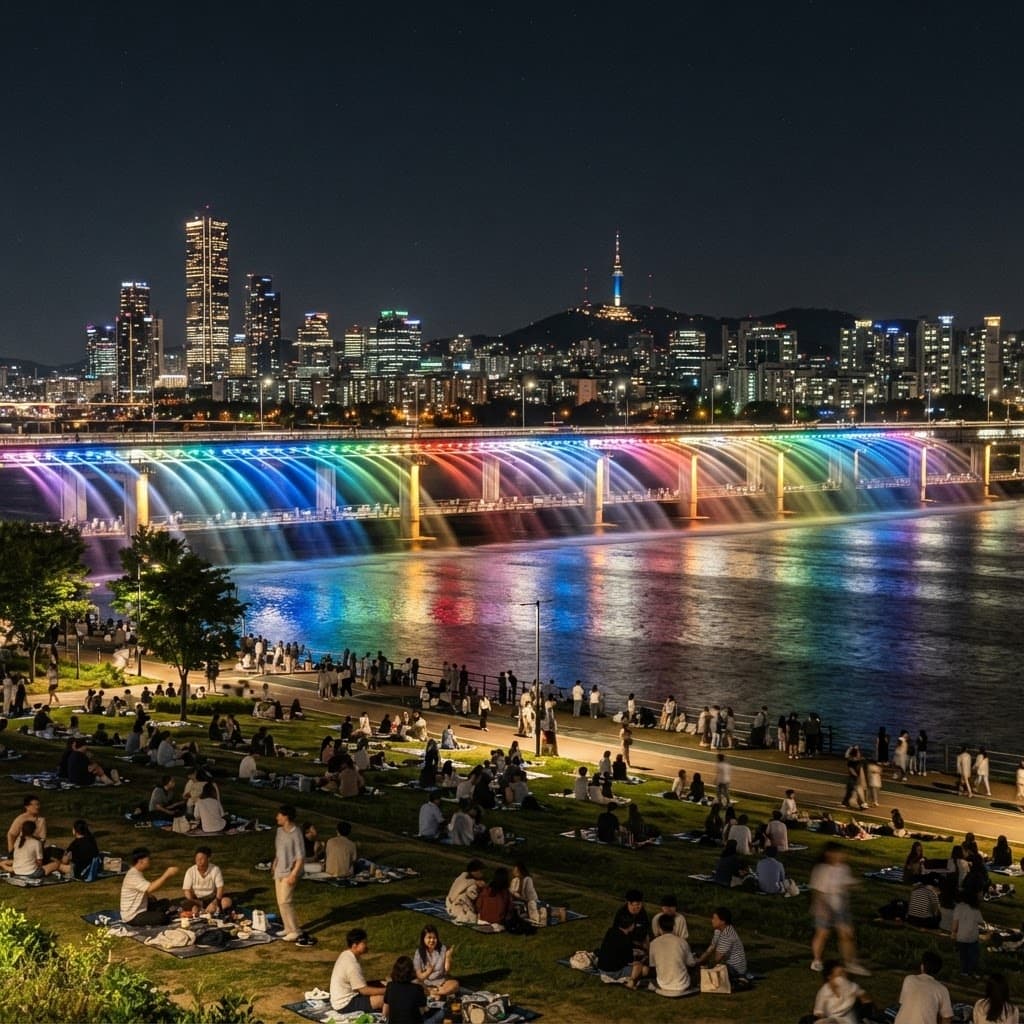
Banpo Hangang Park — the Moonlight Rainbow Fountain and Seoul's night cityscape along the Han River. Ttukseom Hangang Park
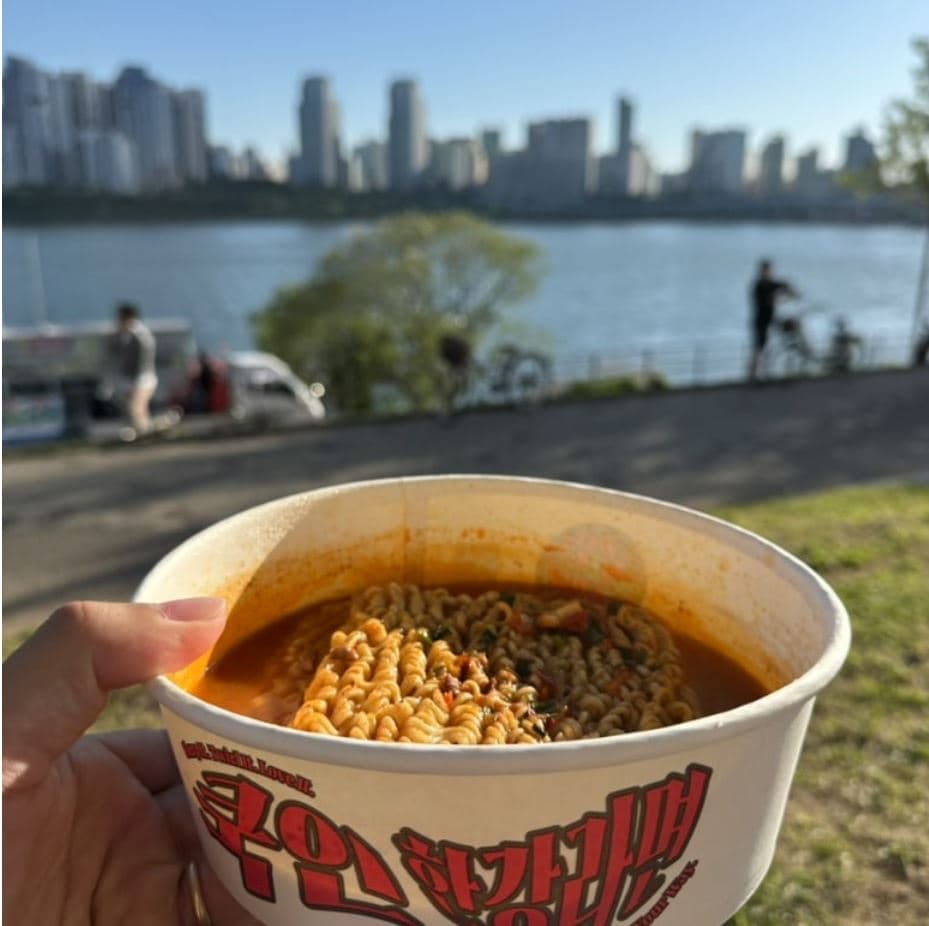
Google MapsJayang Station — Line 7 (Olive Green), Exit 3Ttukseom offers a younger, more liberated atmosphere — an ideal place to picnic beside the Han River or head out for a bike ride. With the trendy Seongsu-dong neighborhood right next door, it makes for a perfect full-day itinerary.
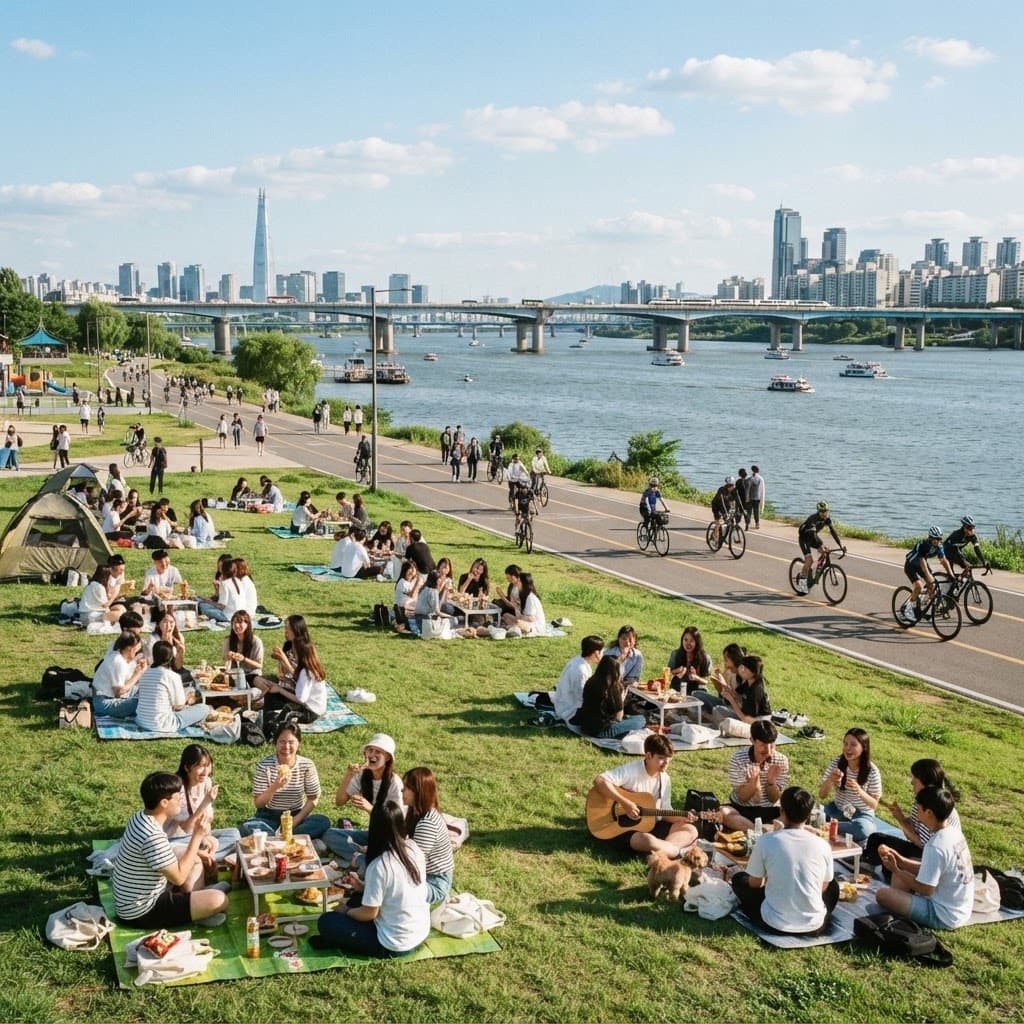
Ttukseom Hangang Park — picnics, bikes, and an easygoing riverside day next to Seongsu-dong. 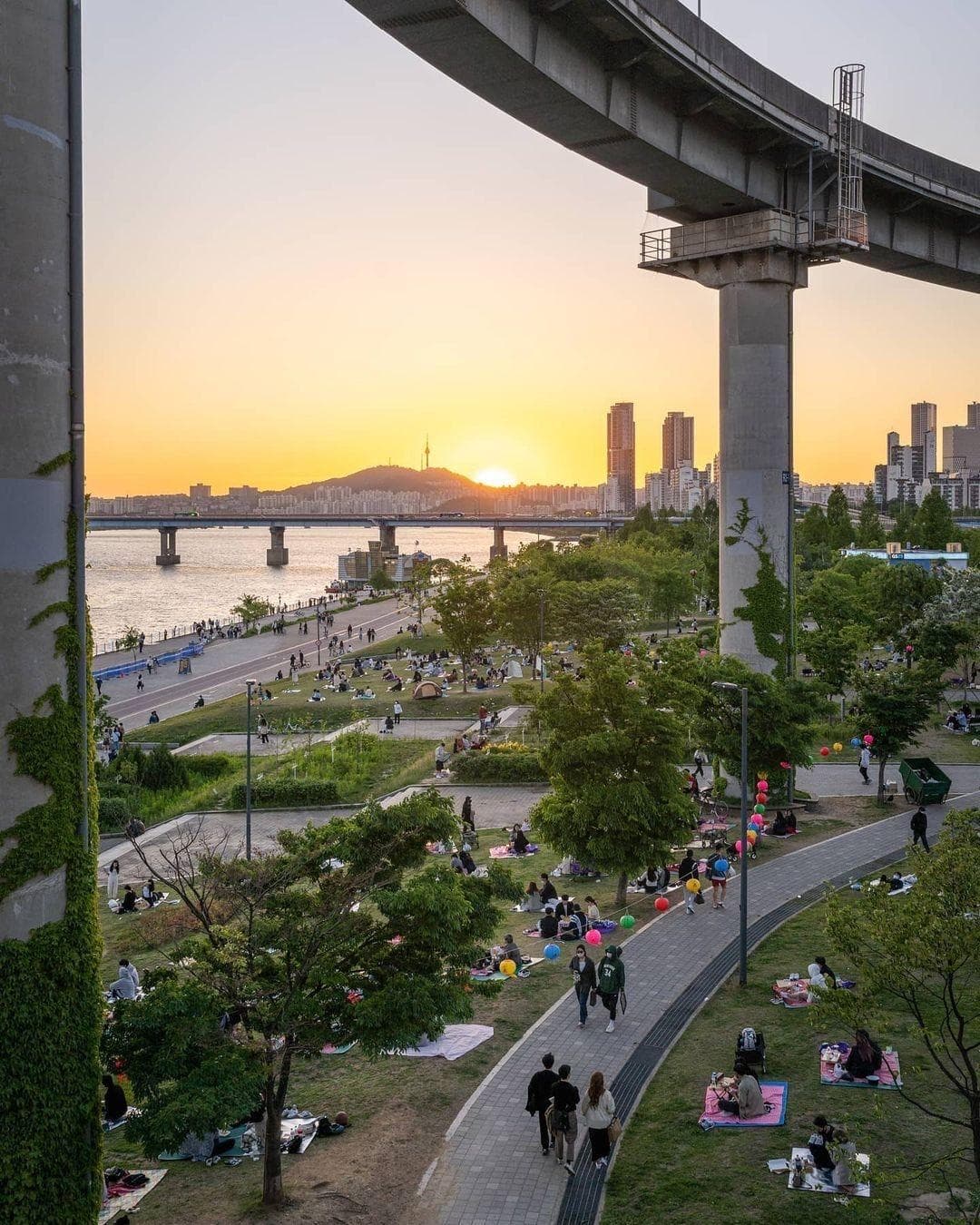
Euljiro Pojangmacha Street
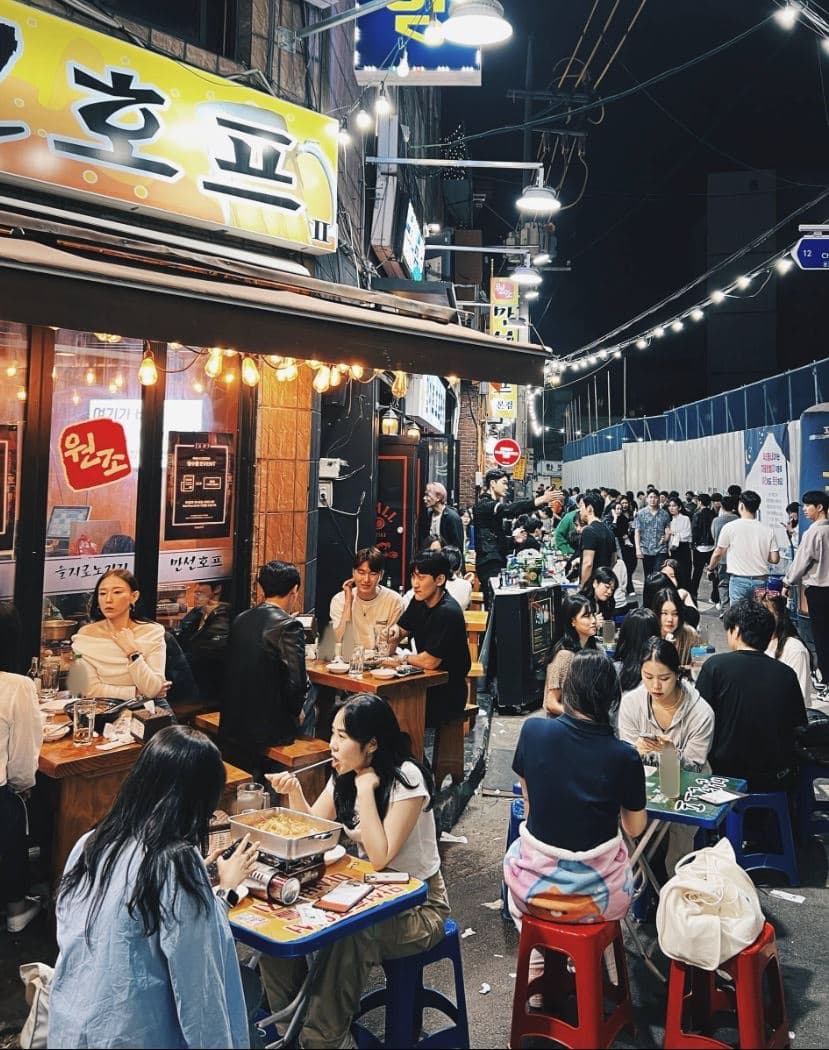
Google MapsEuljiro 3-ga Station — Line 2 (Green), Line 3 (Orange), Exit 4One of the most authentic Korean experiences in Seoul is visiting a pojangmacha — tented street stalls where locals gather to eat street food and drink, offering a glimpse into Korea's distinctive nighttime culture.
As evening falls, the areas around Donhwamun-ro 11-gil and Euljiro come alive with outdoor tents and cozy pubs filled with workers winding down. Wash away the day with soju, beer, or a custom-mixed somaek (a beer-and-soju bomb).
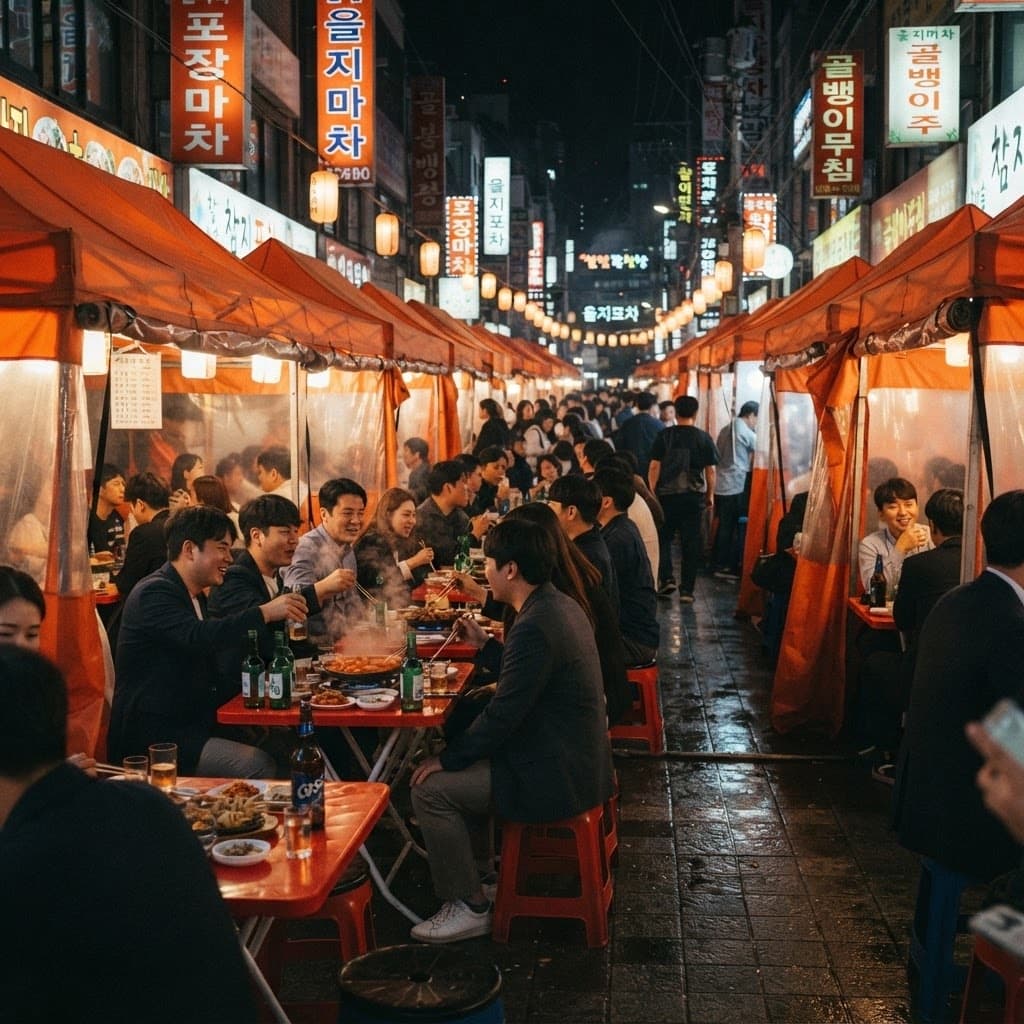
Euljiro Pojangmacha Street — tented stalls, soju and somaek, and Seoul's after-hours street culture. 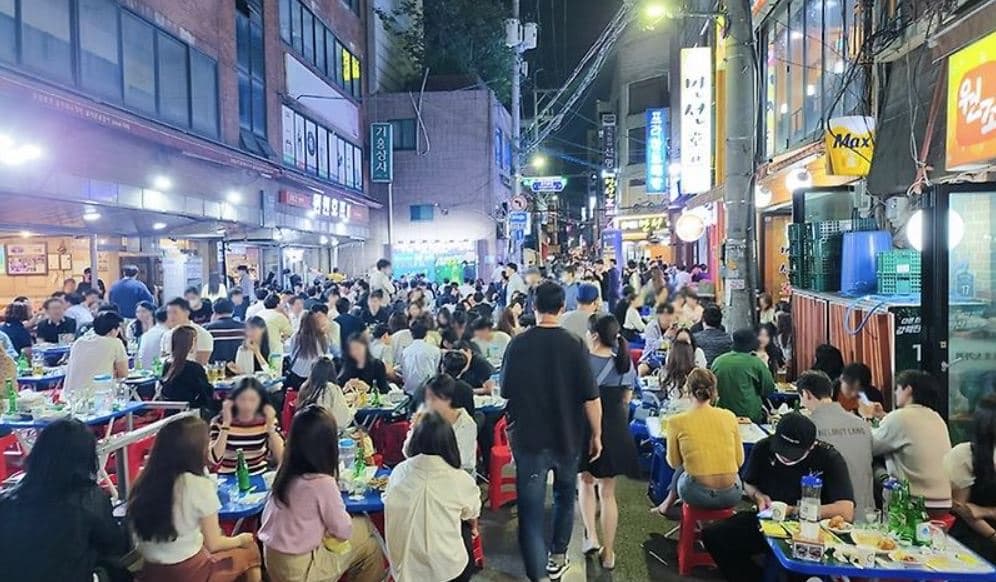
Jongno 3-ga Pojangmacha Street
Google MapsJongno 3-ga Station — Line 3 (Orange), Line 5 (Purple), Exit 3Jongno 3-ga Pojangmacha Street is one of the best places in Seoul to experience the traditional Korean pojangmacha atmosphere. Several pojangmacha gather around Jongno 3-ga Station, and as evening arrives, small tables and chairs are set up beneath colorful tents — creating a lively scene where locals enjoy drinks and a variety of Korean dishes.
The area around Exit 13 of Jongno 3-ga Station is particularly well known for its long-established pojangmacha, each with its own specialties and atmosphere. You can try a variety of Korean drinking snacks, including live octopus, sea squirt, sea cucumber, rolled omelets, fish cake soup, udon, and ramyeon.
The best time to visit is after 6:00 p.m. Most pojangmacha open in the evening and stay open until around midnight or into the early morning. The area is especially lively and crowded on Friday and Saturday nights.
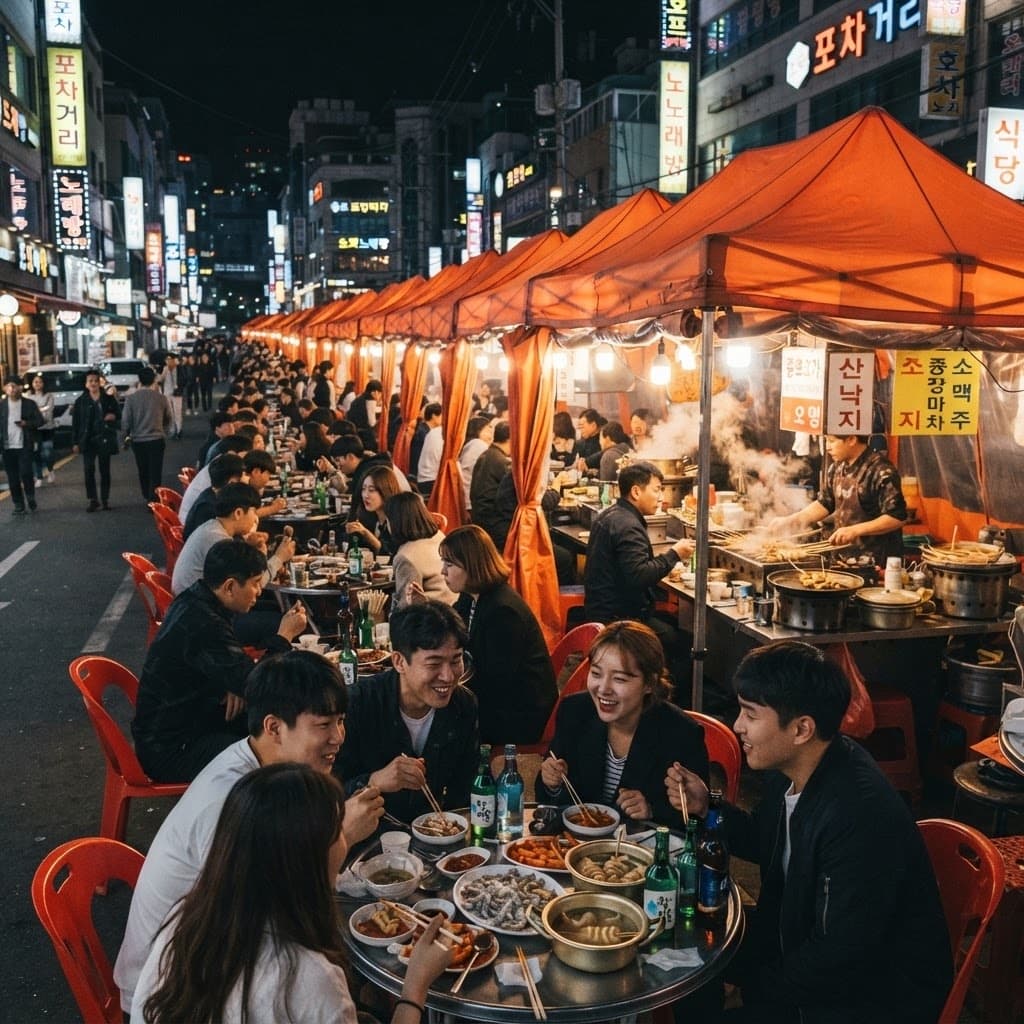
Jongno 3-ga Pojangmacha Street — long-established tented stalls near Exit 13, liveliest on weekend nights. Experience Korean Baseball
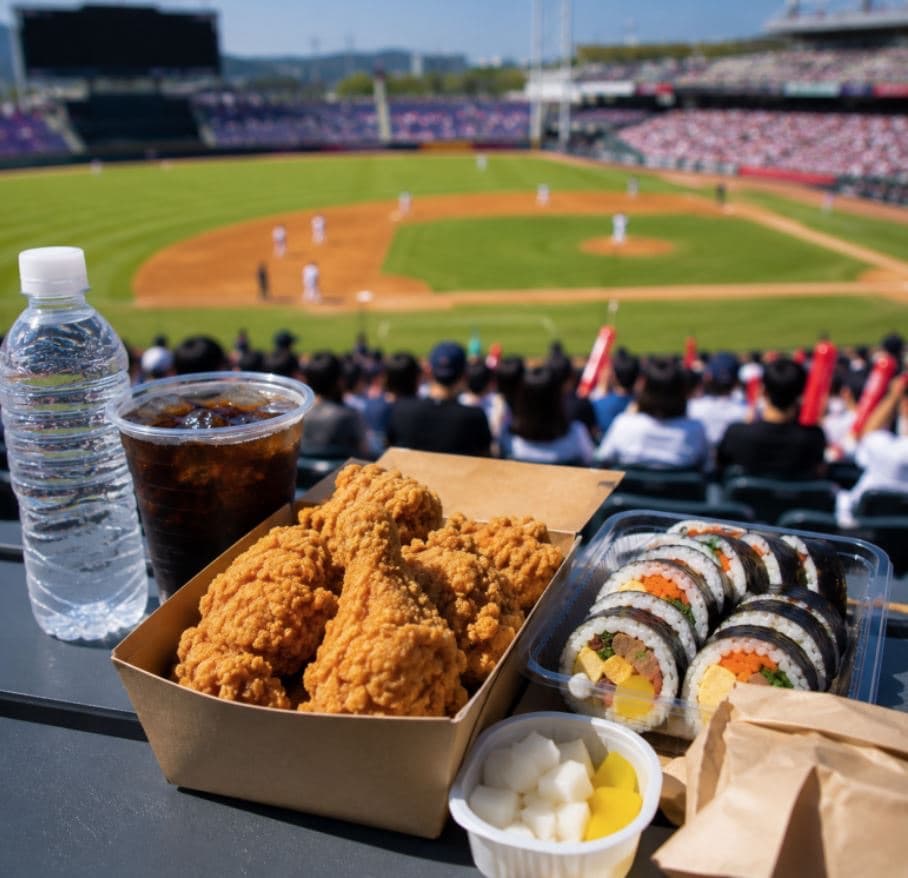
Google MapsLine 2 (Green Line) — Sports Complex StationKorean baseball is far more than a sports game — it's a massive entertainment experience built around a wholly unique cheering culture. Passionate cheer squads, synchronized fight songs, cheerleader performances, and stadium chicken and beer make for an unforgettable, uniquely Korean day out.
Unlike many international venues, Korean stadiums let fans bring in their own outside food. Jamsil Baseball Stadium, home to both the LG Twins and the Doosan Bears, is our top recommendation.
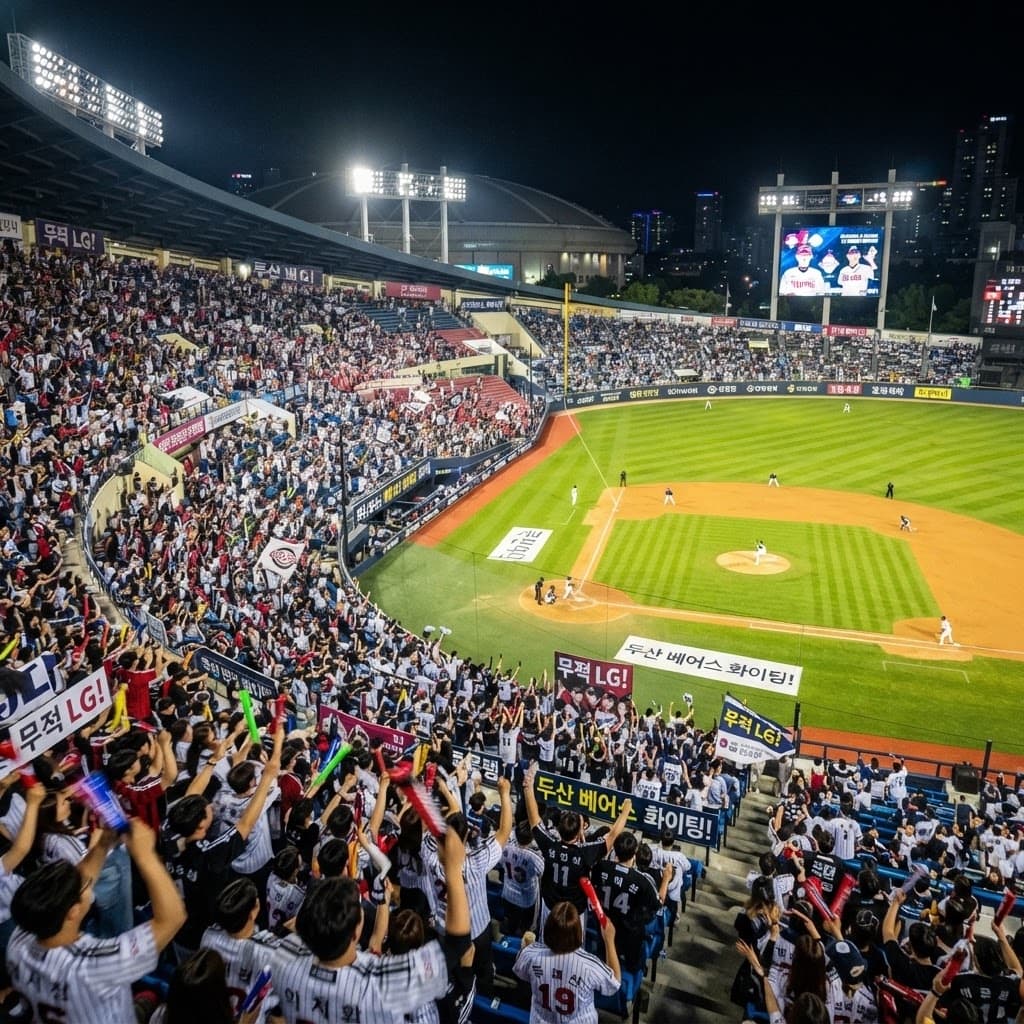
Jamsil Baseball Stadium — roaring crowds, fight songs, and chicken and beer in the stands. 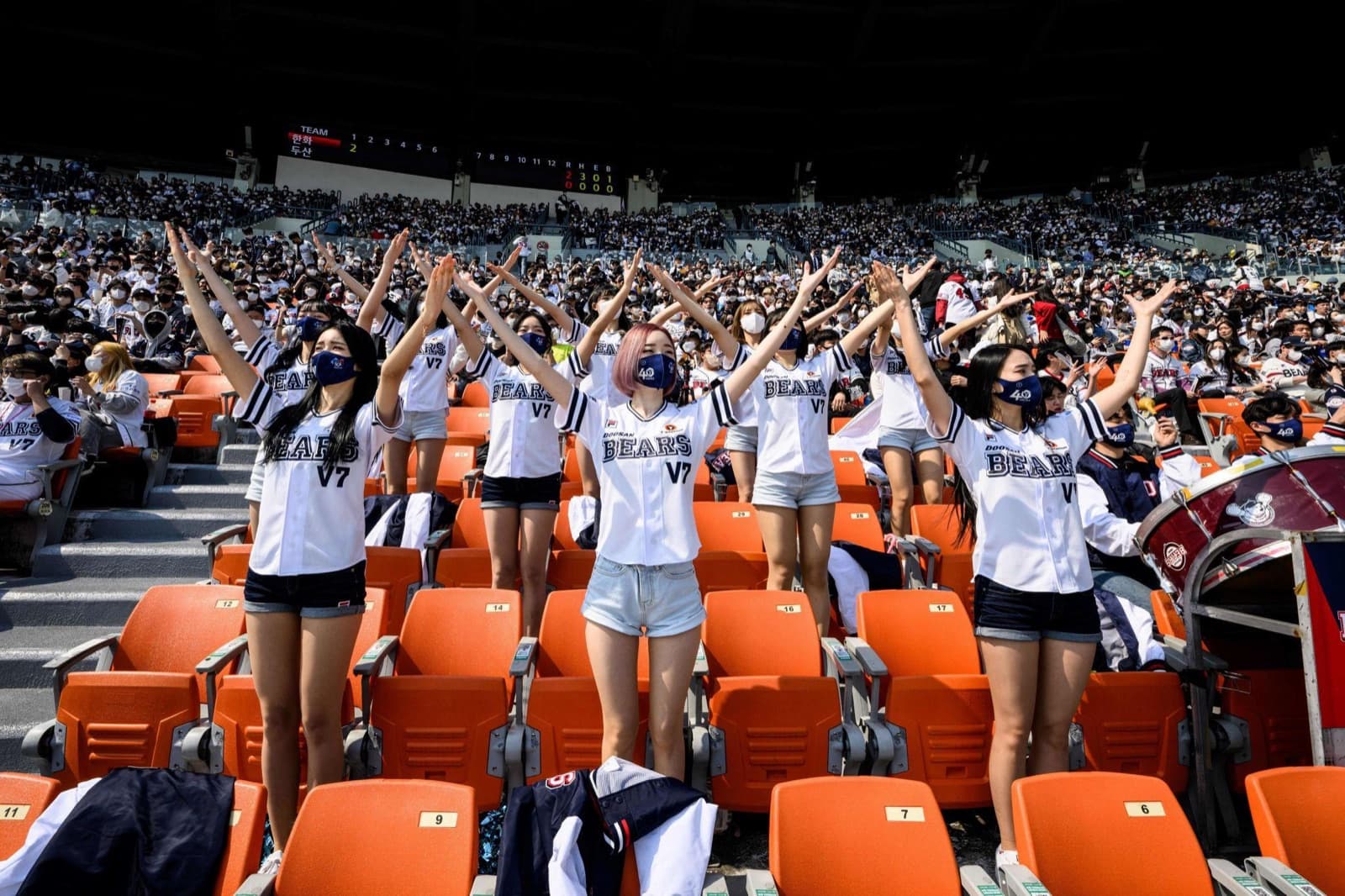
On-Site Ticket Sales for Foreigners
Because baseball is hugely popular in Korea, online booking can be very difficult. The league sets aside a pool of on-site tickets for foreigners and digitally disadvantaged visitors — we highly recommend using it.
Eligible buyers
- Foreigners who find online booking difficult (passport required for verification).
Designated seats & pricing
- Blue seats (1st/3rd base): 20 per side — regular price (30% off for individuals with disabilities).
- Red seats (1st/3rd base): 80 per side — regular price (30% off for individuals with disabilities).
- Outfield seats: 140 total — 50% off for seniors and individuals with disabilities.
- Purchase limit: 1 ticket per person.
Where to buy — Ticket Booth No. 1
- Opens with general ticketing and runs until 30 minutes after the game begins.
- Present a valid ID (such as a passport) at the window to purchase.
- Sales close immediately once the allocated seats sell out.
COEX — Seoul's Modern Lifestyle
Google MapsLine 2 (Green Line) — Samseong Station / Line 9 (Yellow Line) — Bongeunsa StationCOEX is Gangnam's definitive hub for shopping, exhibitions, and culture. Inside Starfield COEX Mall, the Starfield Library (Byeolmadang Library) — with its soaring ceilings and towering bookshelves — is one of the city's most iconic photo spots. Packed with shops, restaurants, cafes, and a huge aquarium, it's the perfect place to take in Seoul's ultra-modern lifestyle.
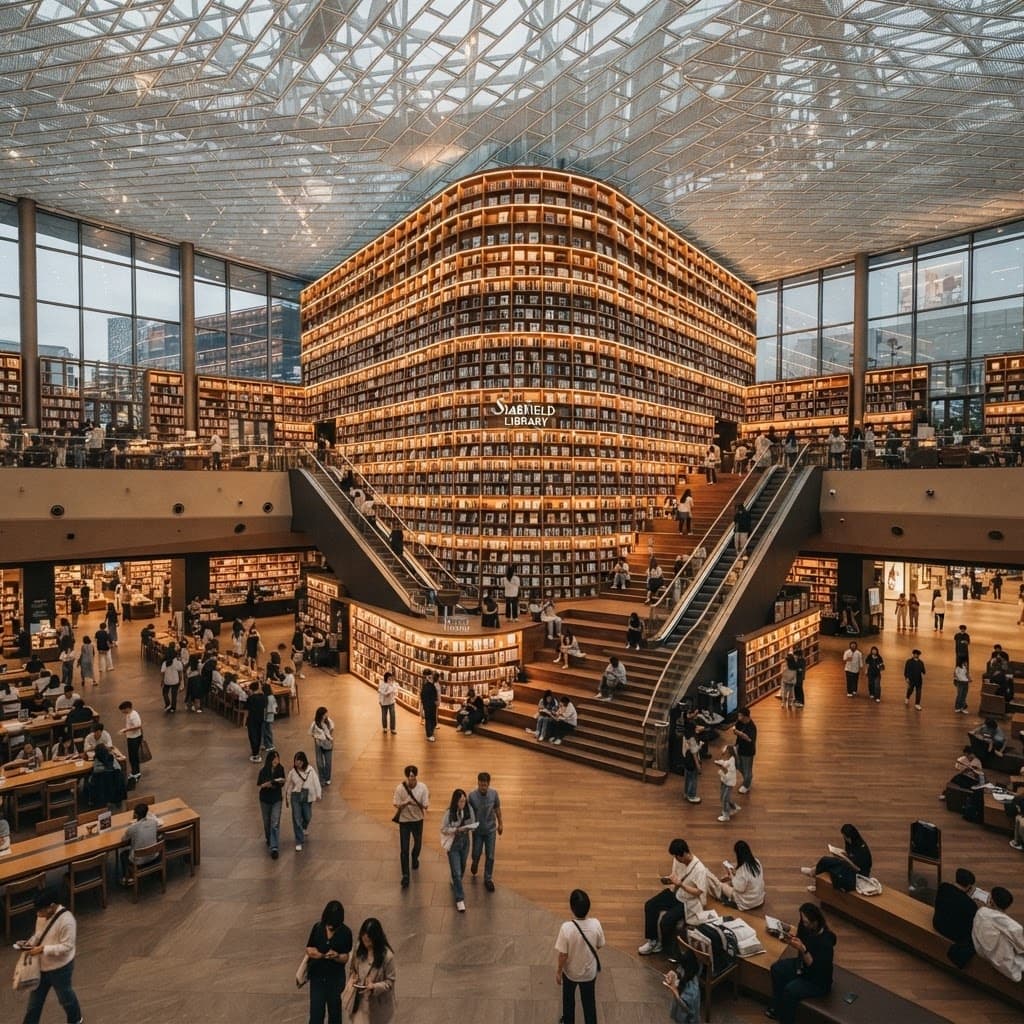
COEX — the towering Starfield Library at the heart of Gangnam's modern lifestyle. Local Tip. Pair your visit with Bongeunsa Temple right across the street. Seeing this historic Buddhist temple facing the hyper-modern COEX complex perfectly captures how Korea's heritage and futuristic present coexist in Gangnam.
Dongdaemun — Seoul's 24-Hour Energy
Google MapsLine 5 (Purple Line) — Dongdaemun History & Culture Park StationDongdaemun is Seoul's ultimate fashion, shopping, and design district. When night falls, the wholesale fashion markets and retail shops stay open into the early morning, creating an energetic night-market atmosphere found nowhere else in the city.
The Dongdaemun Design Plaza (DDP), designed by visionary architect Zaha Hadid, is a world-famous landmark whose futuristic, flowing curves look spectacular under evening lights. Come from dusk into the late-night hours for stunning modern night views, late-night fashion shopping, and Korean street food.
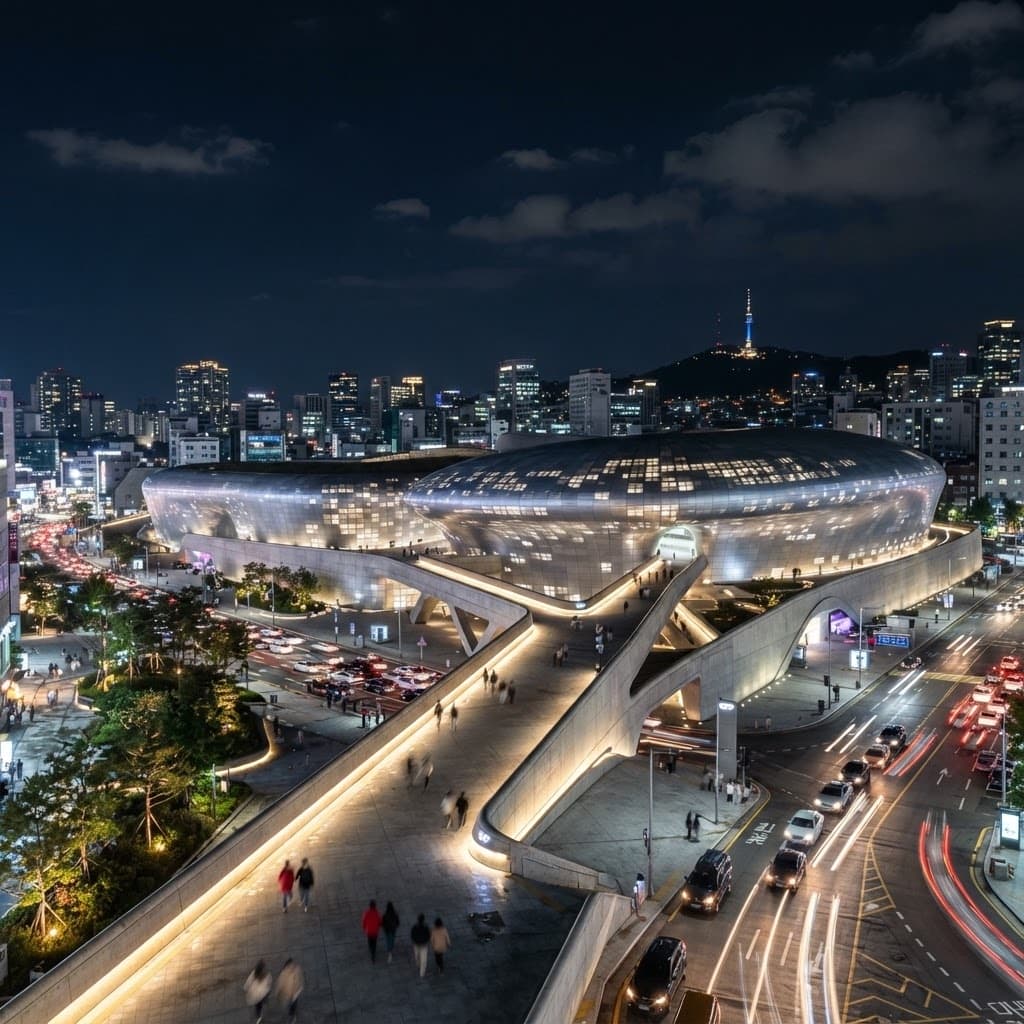
Dongdaemun Design Plaza — Zaha Hadid's flowing curves and a district that never sleeps. Seongsu — Seoul's Trendiest Neighborhood
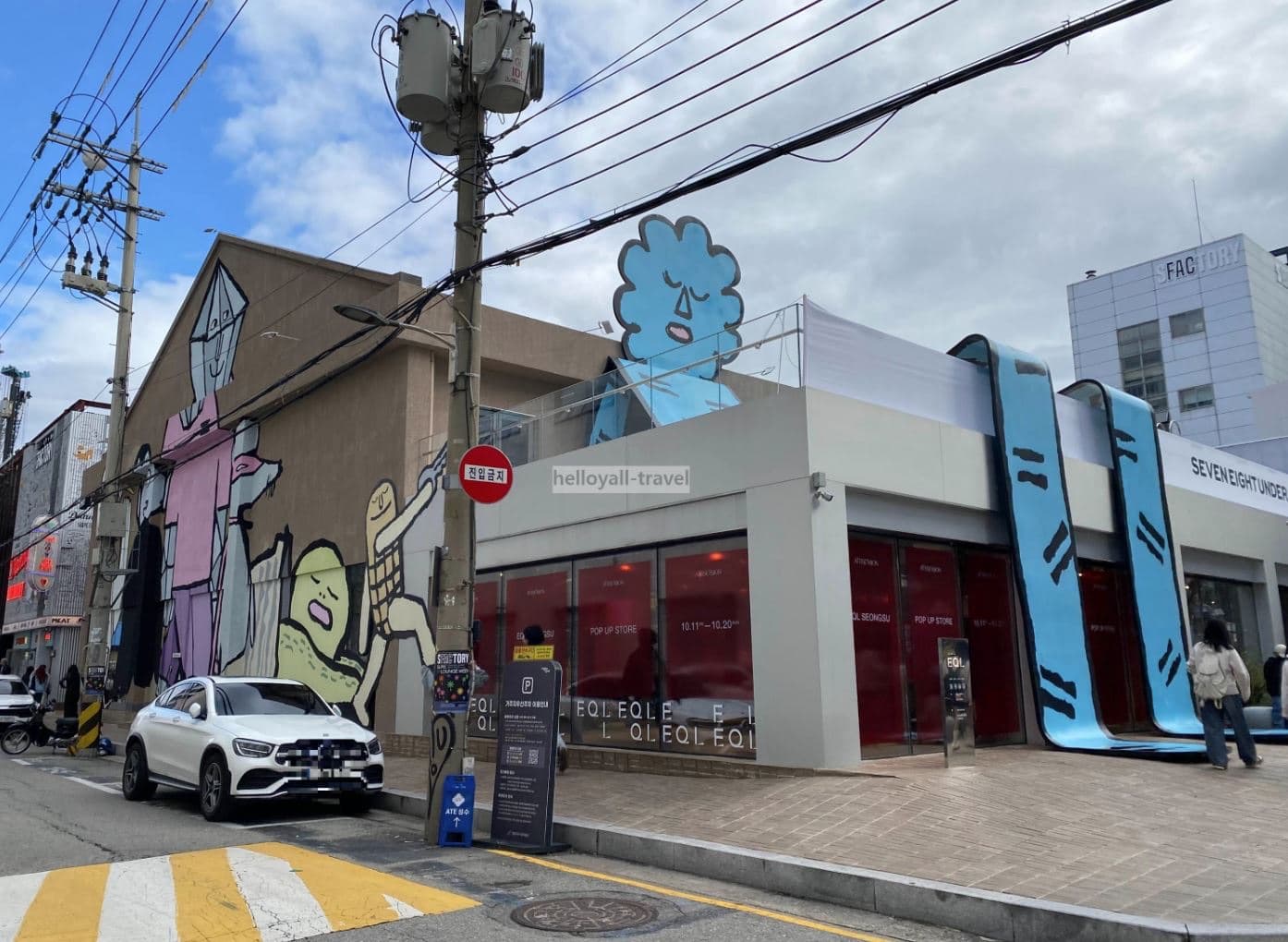
Google MapsLine 2 (Green Line) — Seongsu StationSeongsu-dong is currently the trendiest neighborhood in Seoul, radiating young, artistic energy. Once a bustling industrial area of old shoe factories and warehouses, its weathered red-brick buildings have been masterfully renovated into hip cafes, fine restaurants, independent select shops, and dynamic pop-up stores.
Its defining charm is the striking juxtaposition — gritty old-factory aesthetics blending seamlessly with cutting-edge fashion, cafe culture, and modern design. It's the perfect place to go cafe-hopping, explore brand pop-ups, and shop local fashion to experience Seoul's youth culture.
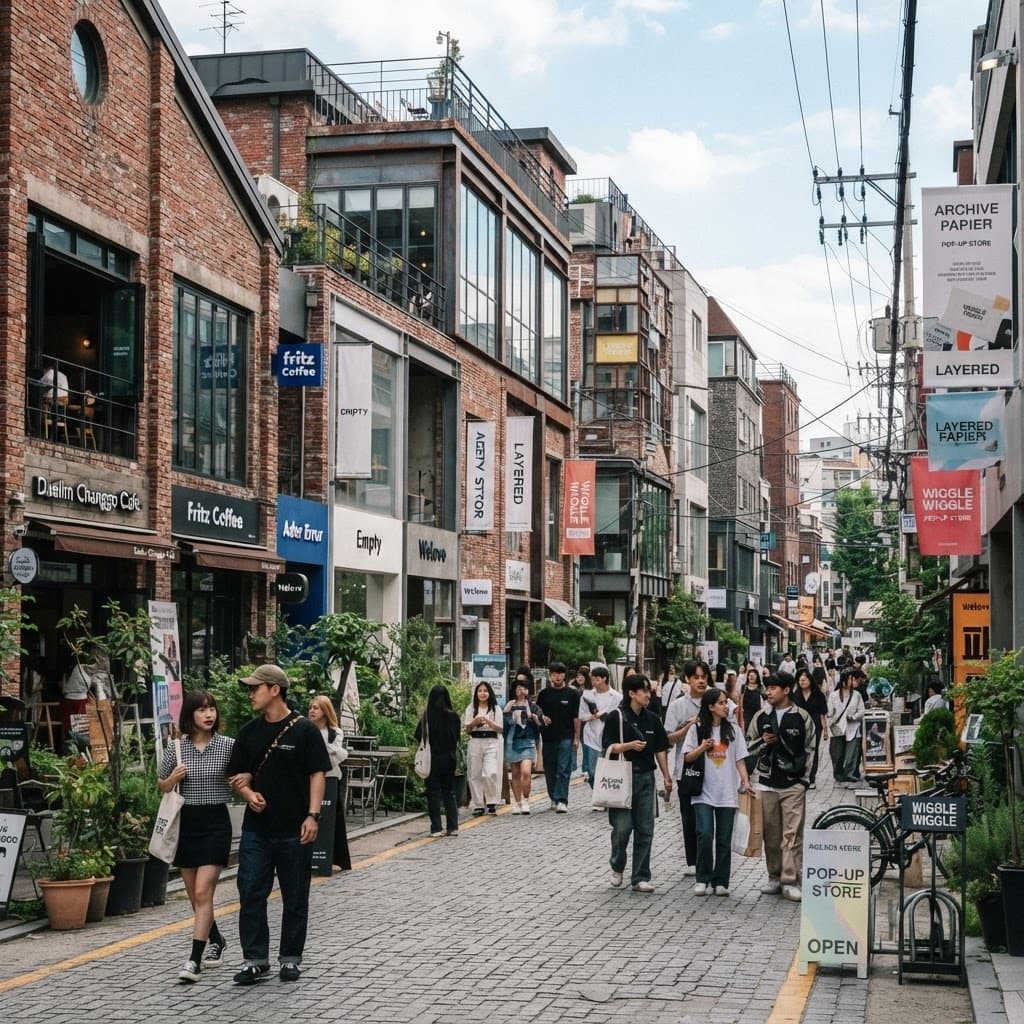
Seongsu — old red-brick factories reborn as Seoul's most fashionable cafes and pop-ups. 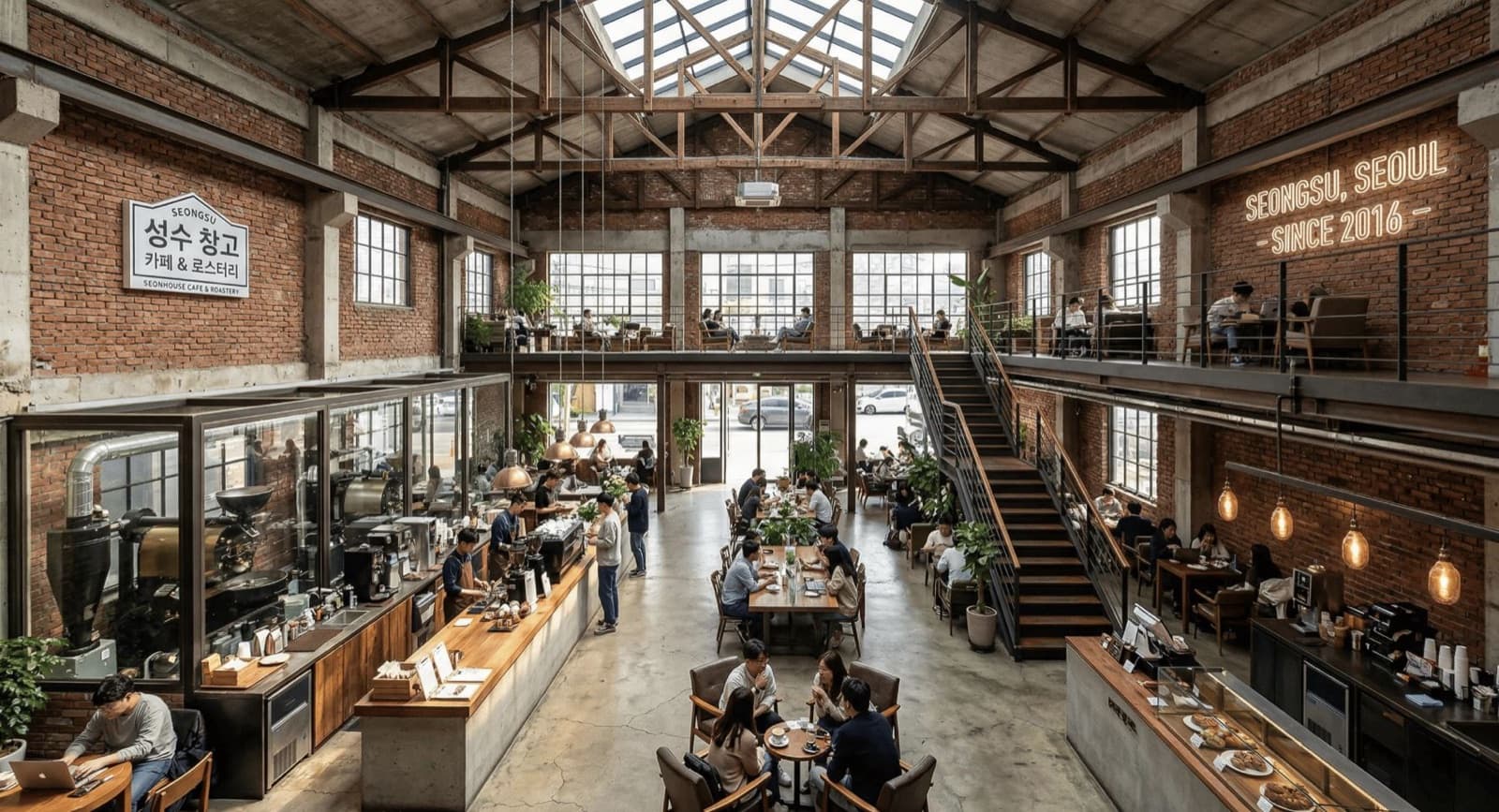
Seokpajeong & Seoul Museum
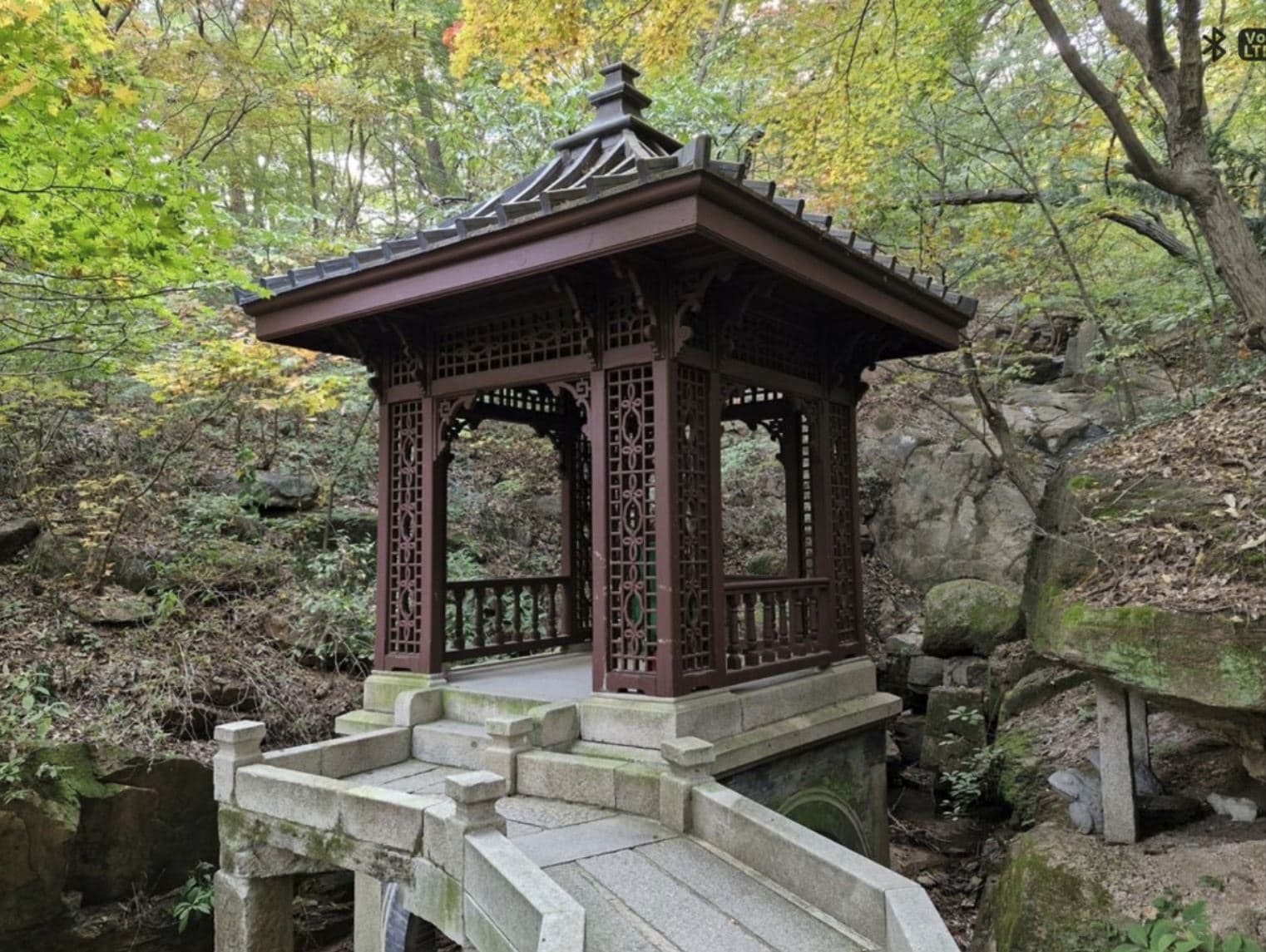
Google MapsSeokpajeong & Seoul Museum — Buam-dong, Jongno-guTucked into the hills of Buam-dong, this is a hidden royal garden where contemporary art meets Joseon-era history. The grounds of Seokpajeong were once a retreat used by Heungseon Daewongun and King Gojong.
Enjoy modern art exhibitions at Seoul Museum, then stroll the tranquil gardens of Seokpajeong — surrounded by weathered rocks, old pine trees, and mountain scenery that feels worlds away from the busy city.
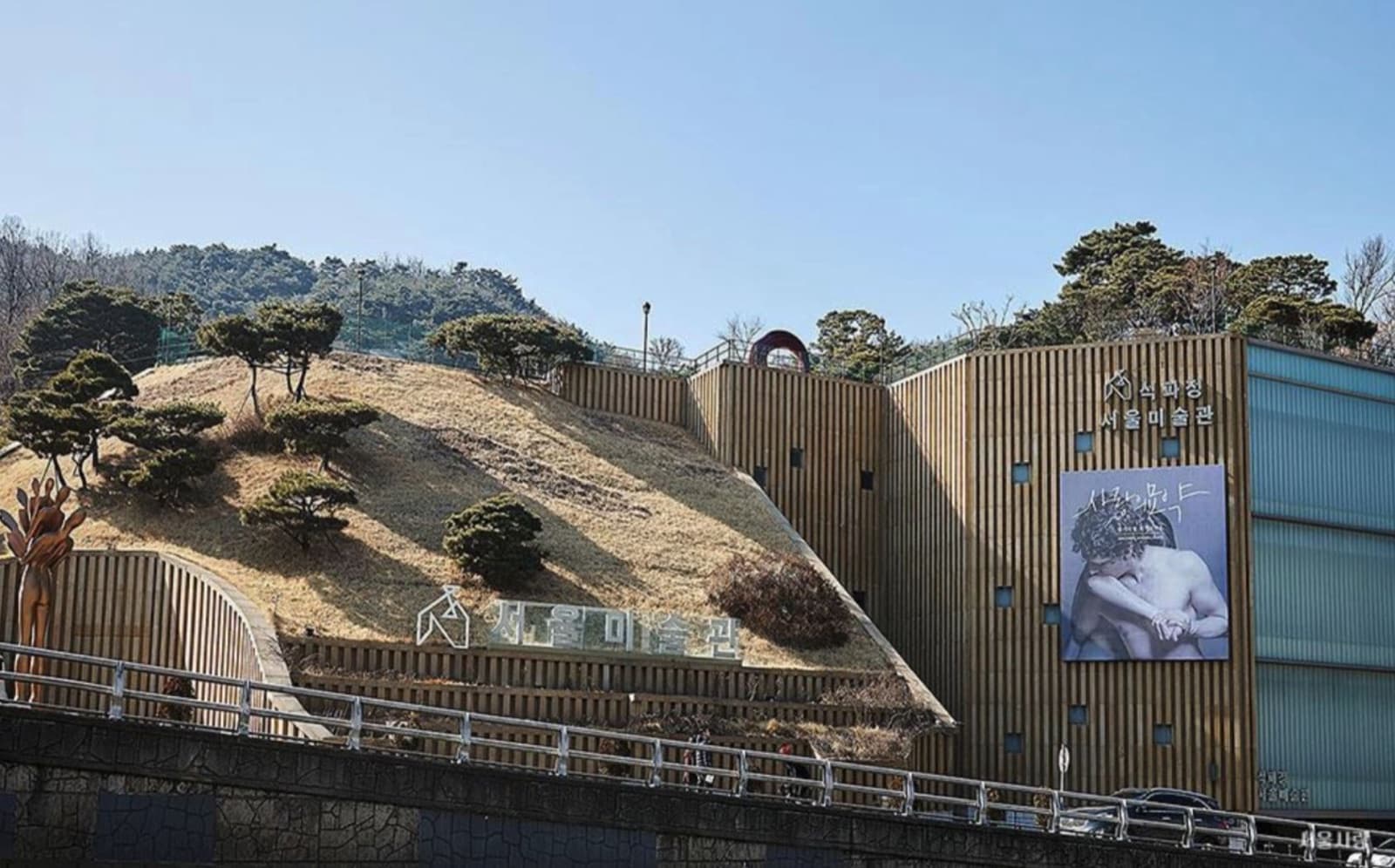
Seokpajeong & Seoul Museum — a Joseon royal garden and modern art, hidden in the hills of Buam-dong. 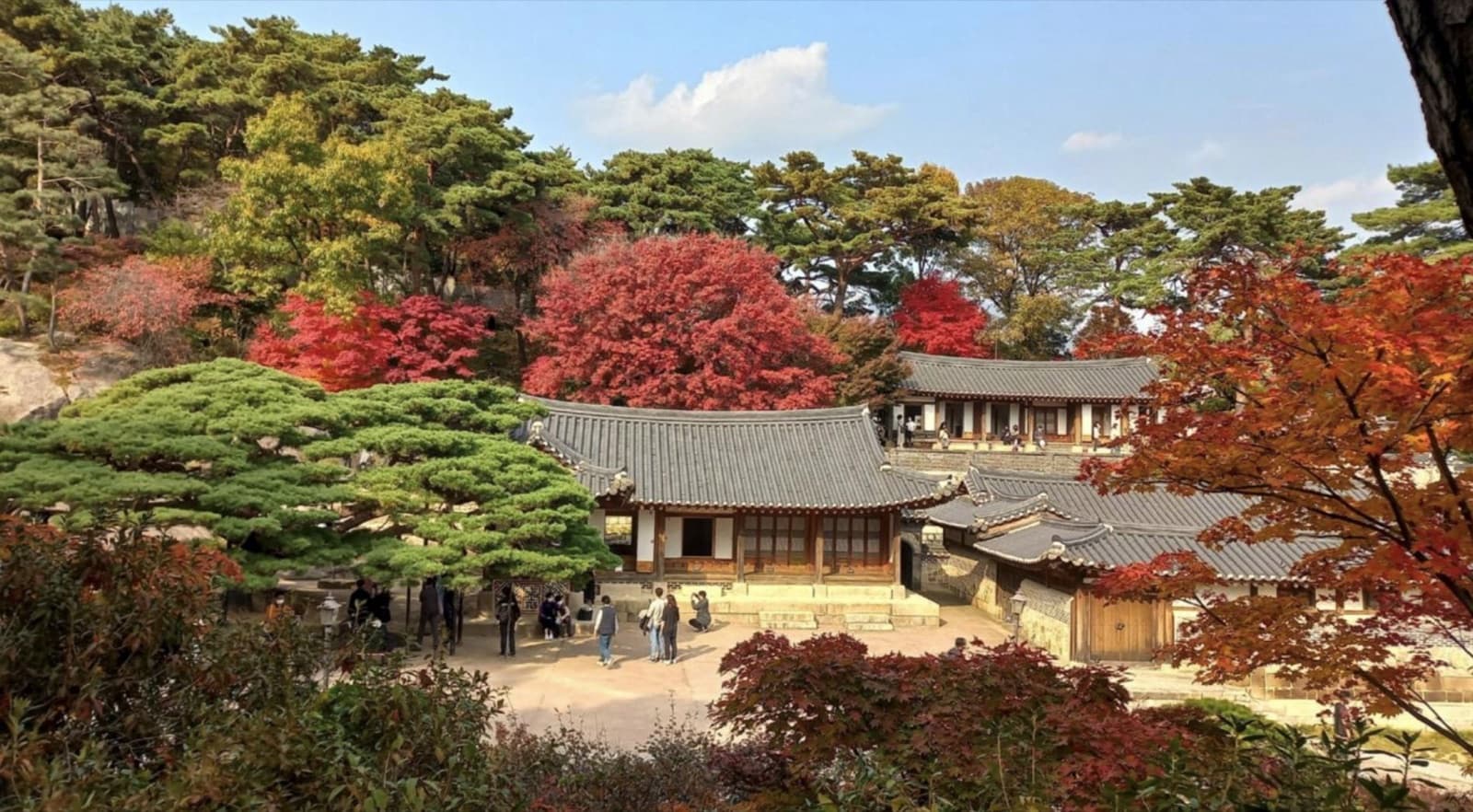
Whanki Museum
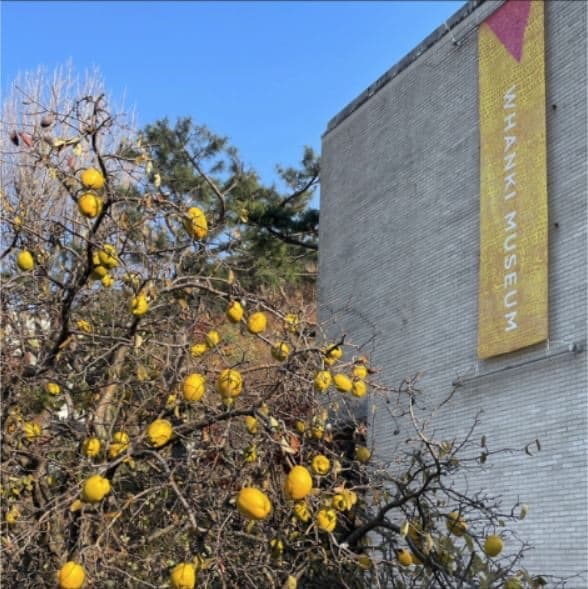
Google MapsWhanki Museum — Buam-dong, Jongno-guA boutique museum in Buam-dong dedicated to Kim Whanki, one of Korea's most celebrated modern artists. It traces his evolution from traditional Korean motifs to his iconic abstract paintings composed of countless dots — especially his famous blue works.
It's a peaceful place to slow down and experience the beauty of Korean modern art and culture, set against the quiet, artistic backdrop of the Buam-dong neighborhood.
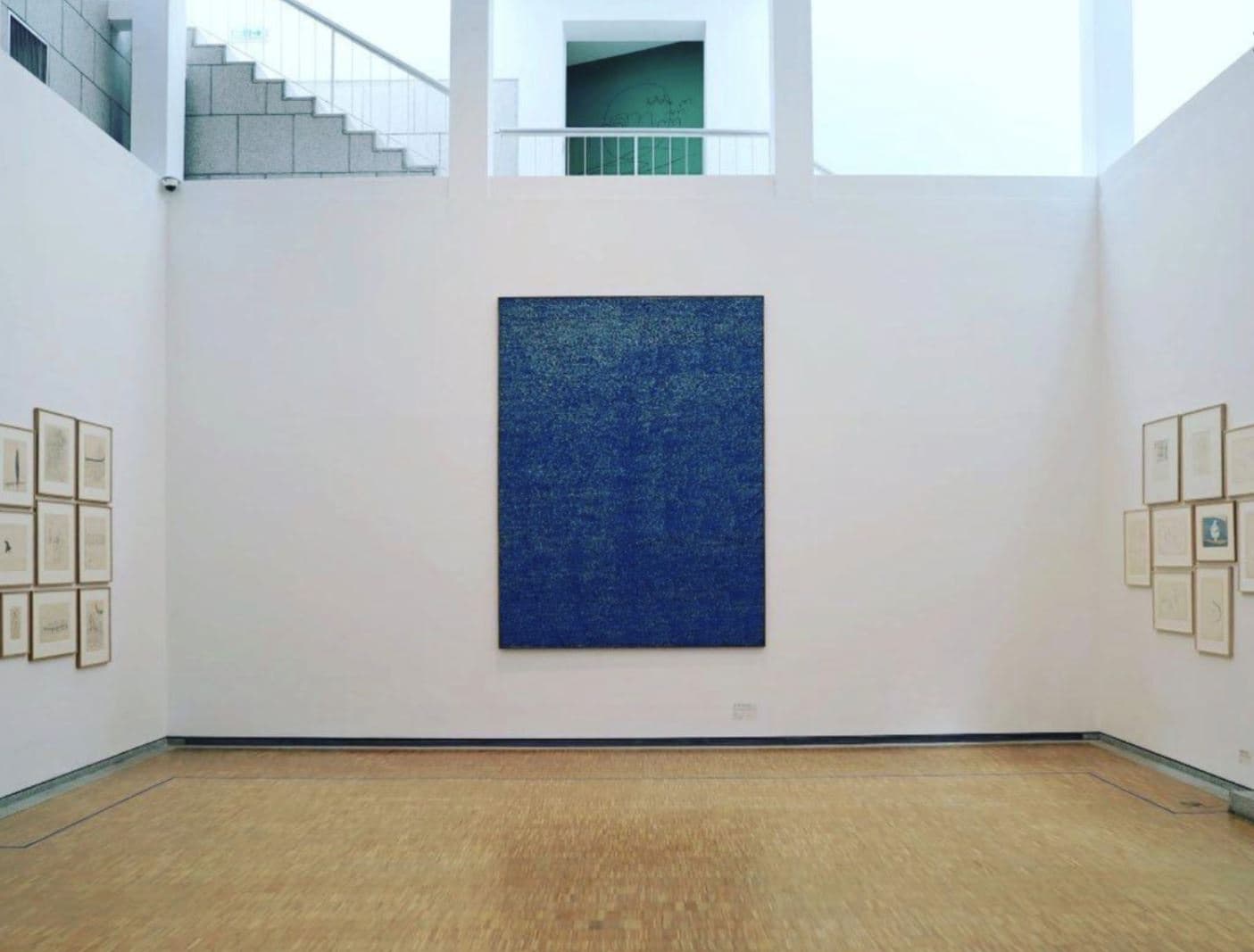
Whanki Museum — a boutique museum filled with the inspiration of Korea's celebrated modern artist Kim Whanki. 
Jinkwansa Temple — Buddhist Temple Cuisine & Balwoo Gongyang
Google Maps73 Jingwan-gil, Eunpyeong-gu, SeoulA deeper dive into Korean Buddhist culture. Jinkwansa is one of Seoul's historic Buddhist temples, particularly renowned for its traditional Korean temple cuisine. For visitors, the most meaningful experience is Balwoo Gongyang, the traditional Buddhist temple meal — far more than simply eating a vegetarian dish, it is a practice of mindfulness, gratitude, discipline, and respect for nature.
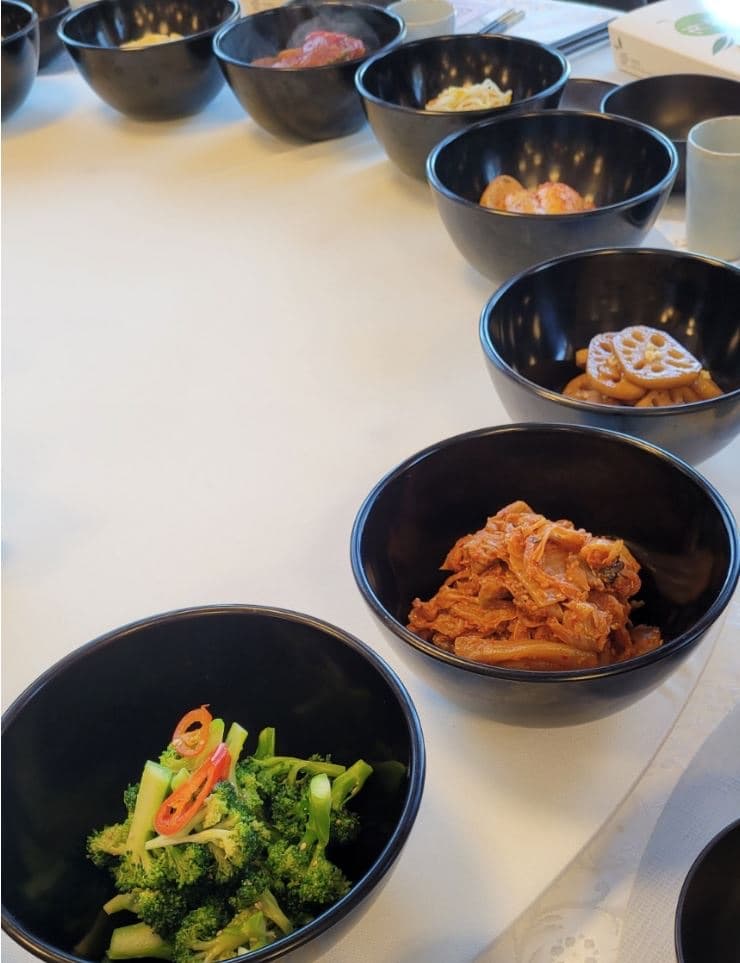
The cuisine uses seasonal vegetables, wild greens, fermented sauces, and other natural ingredients. Meat and fish are never used, and traditional Buddhist cuisine also excludes garlic, onions, and chives. This makes it a rare opportunity to experience Korean Buddhist culture from the inside — through food, silence, mindfulness, traditional etiquette, and a deep respect for nature.
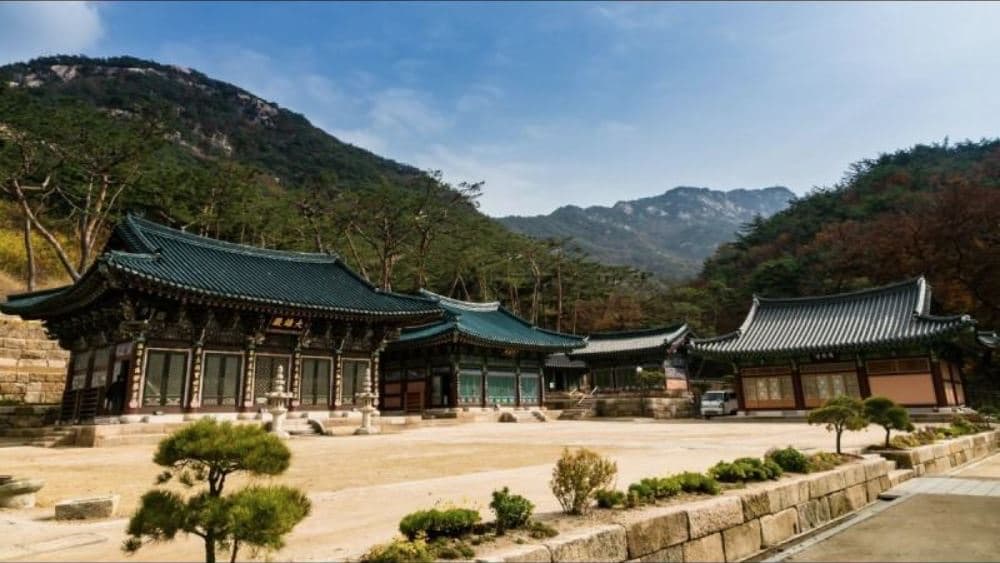
Jinkwansa Temple — historic Buddhist halls nestled at the foot of Bukhansan's forested slopes. 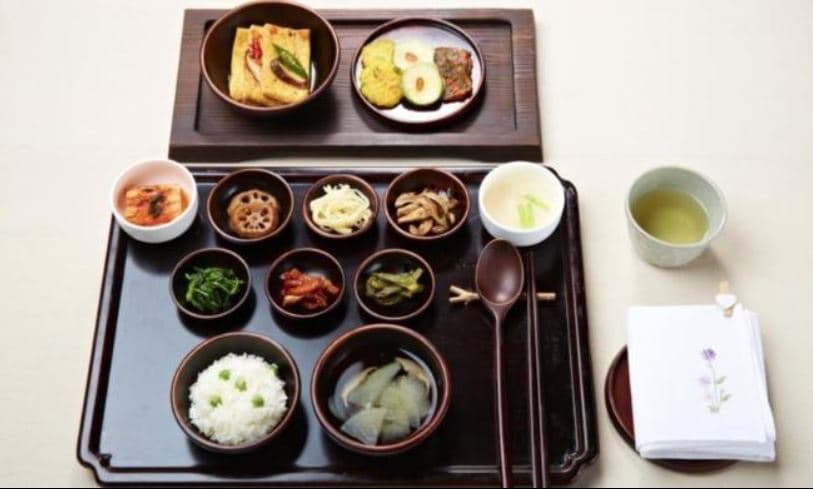
How to Book
Reservations are required at least 3 days before the program. Visit the official Korea Temple Stay website, search for Jinkwansa Temple, select “Balwoo Gongyang – Saving My Body and the Earth,” choose your date and number of participants, then complete the online reservation and payment.
Contact
- Tel: +82-2-388-7999 · Email: jintem359@naver.com
Tip — Experience Balwoo Gongyang in the Heart of Seoul
If visiting Jinkwansa Temple is not convenient, try Balwoo Gongyang Restaurant near Jogyesa Temple. It offers an elegant introduction to traditional Korean Buddhist temple cuisine right in the heart of downtown Seoul.
Google Maps71 Gyeonji-dong, Jongno-gu, Seoul
A Taste of Seoul"Want Real K-Food? "
Curated by KIM&CHO
Korean cuisine can now be experienced in many countries around the world. However, to truly enjoy authentic Korean food, tasting it right here in South Korea offers the closest experience to genuine K-food.
Budae-jjigae / Army Stew
"From wartime survival to a beloved national delicacy."
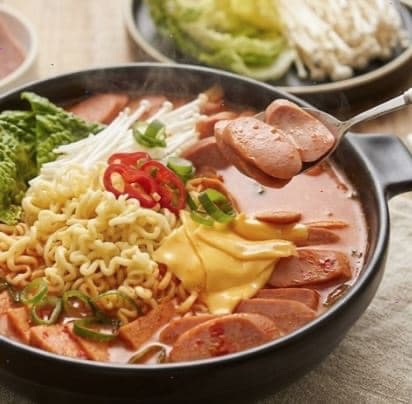
Budae-jjigae is Korea's ultimate soul food, born from the ashes of the Korean War. It creatively repurposed surplus canned meats—often discarded even by military troops—into a rich, spicy stew. It is a delicious reminder of how Korean resilience turned a tragic history into a celebratory meal.
Kimchi-jjigae
Kimchi-jjigae is more than just a popular dish; it is a delicious record of Korea's modern history. Back in the 1970s and 80s, before Korea became the economic powerhouse it is today, nothing was wasted. When household kimchi became too sour to eat fresh, home cooks combined it with pork and tofu to create a hearty meal. The rustic, everyday Kimchi-jjigae of those lean years is gradually fading as modern, fancy versions take over upscale restaurants. Yet, every bowl still carries that foundational spirit of family wisdom and economic thrift. If you want to experience this authentic flavor from the past, Gwanghwamun-jip is the one.
We hope the information provided by K&C makes your travels in Seoul more enjoyable and helps deepen your understanding of Korea. K&C cheers you on as you experience Korea more deeply through the fascinating historical backgrounds of traditional dishes like Kimchi-jjigae (kimchi stew) and Budae-jjigae (army base stew).
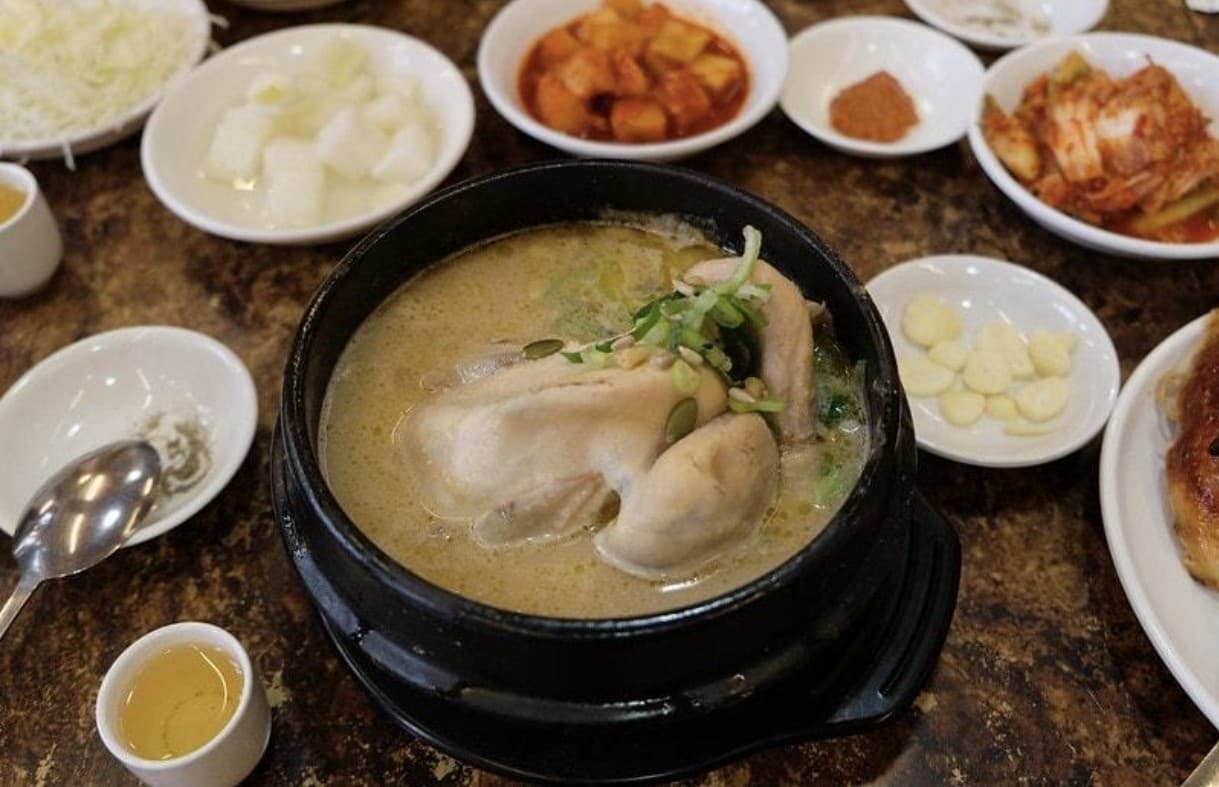
Tosokchon
Legendary samgyetang west of Gyeongbokgung — whole chicken simmered with ginseng, jujube, and glutinous rice.
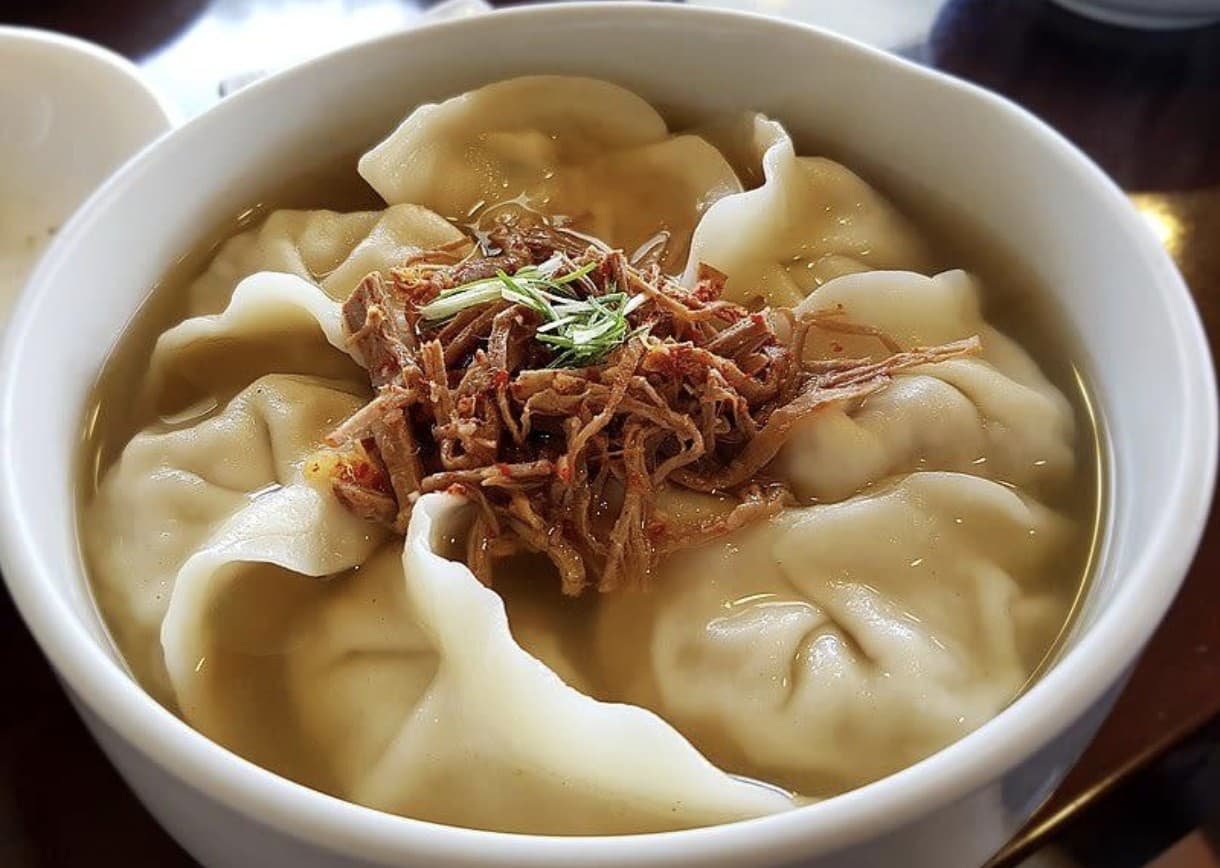
Jaha Sonmandu
Aristocratic-style dumpling soup in a clean, homemade Joseon soy-sauce broth. tip: Take the 2nd floor for a beautiful mountain view during your meal!
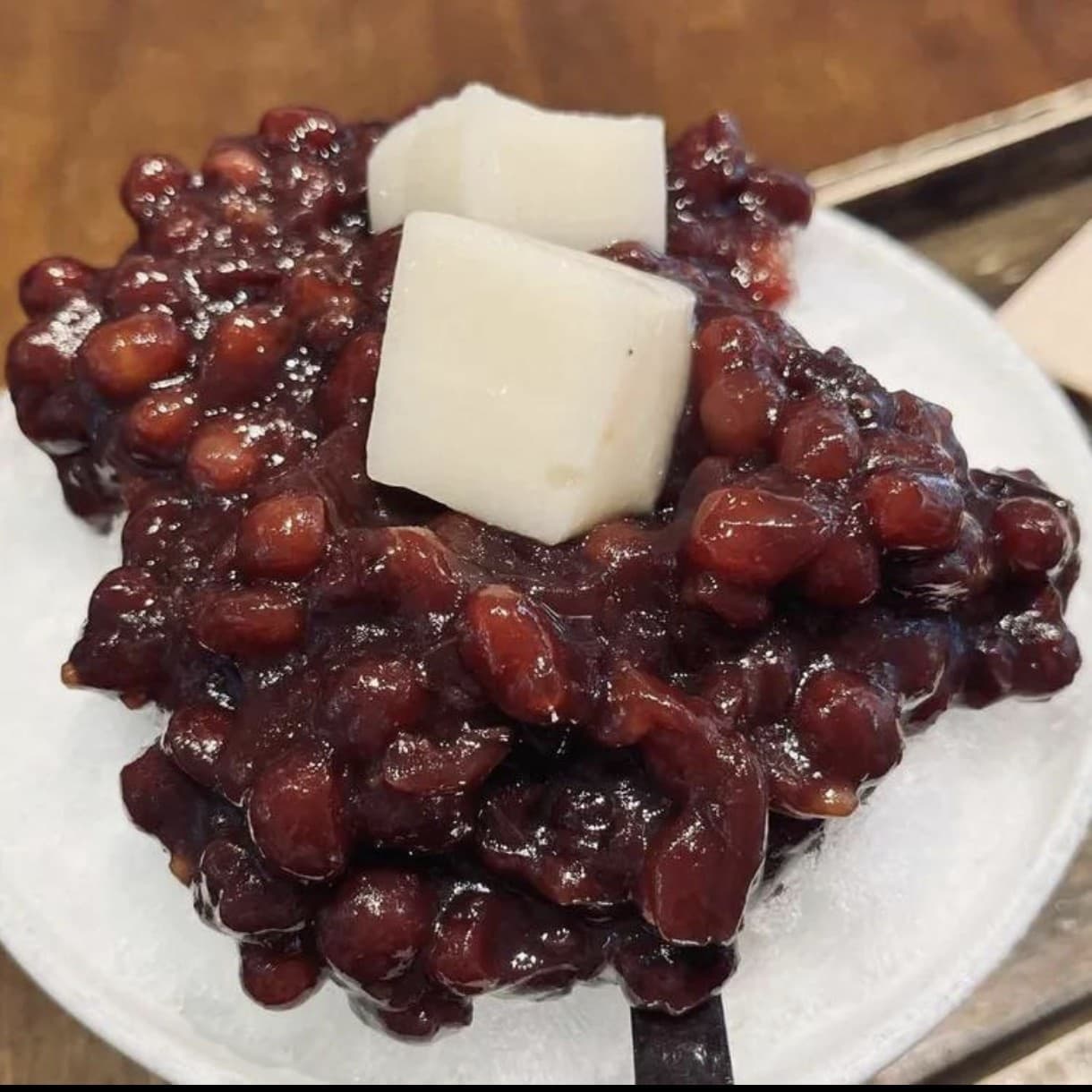
Tongui-dong Danpat
Gwanghwamun's finest patbingsu, made with 100% milk ice and house-boiled red beans (closed Sundays).
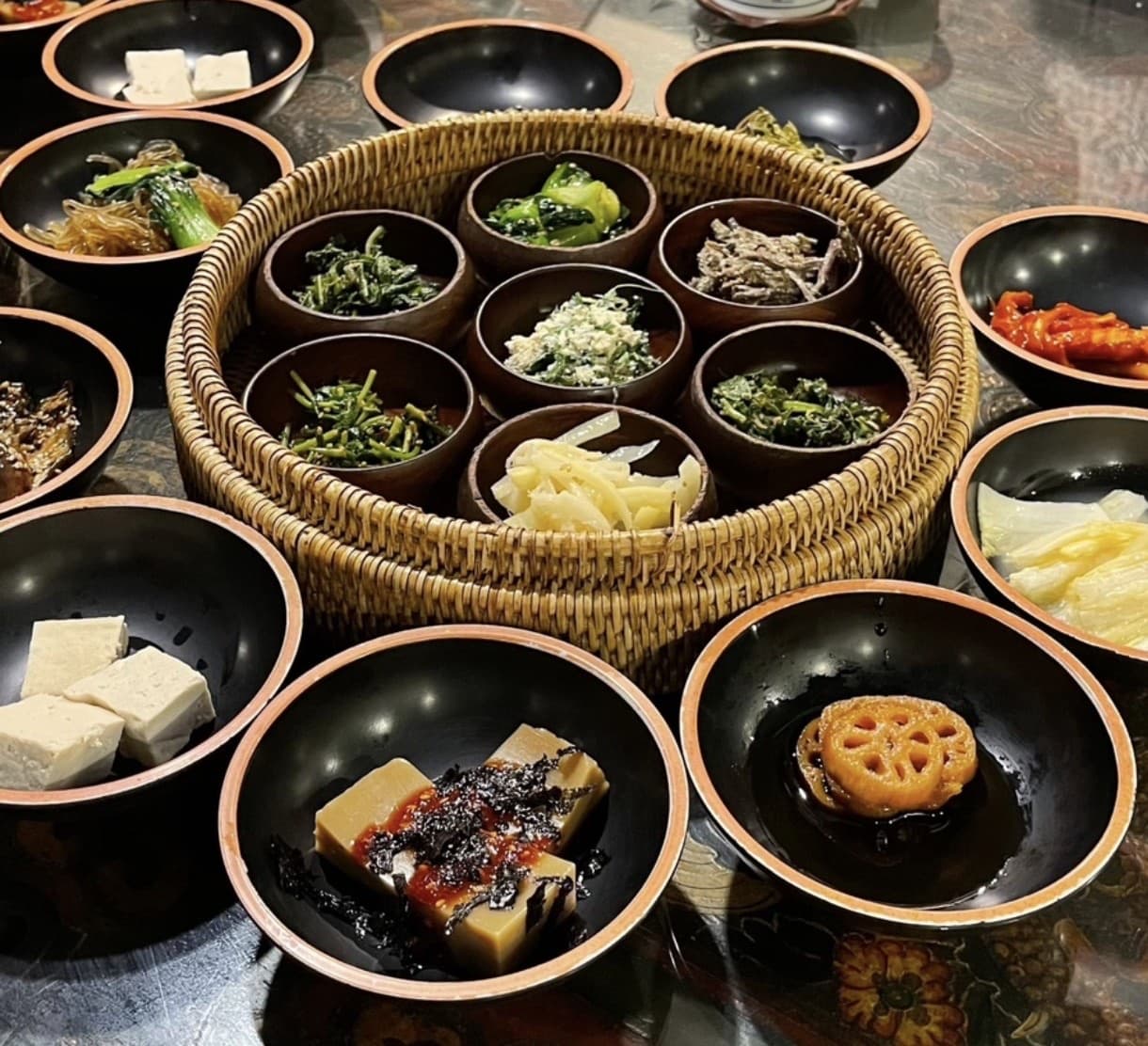
Sanchon
Insa-dong temple cuisine of seasonal wild greens, with evening traditional performances. Tip - checking out the dinner performance! It completely upgrades the dining experience.
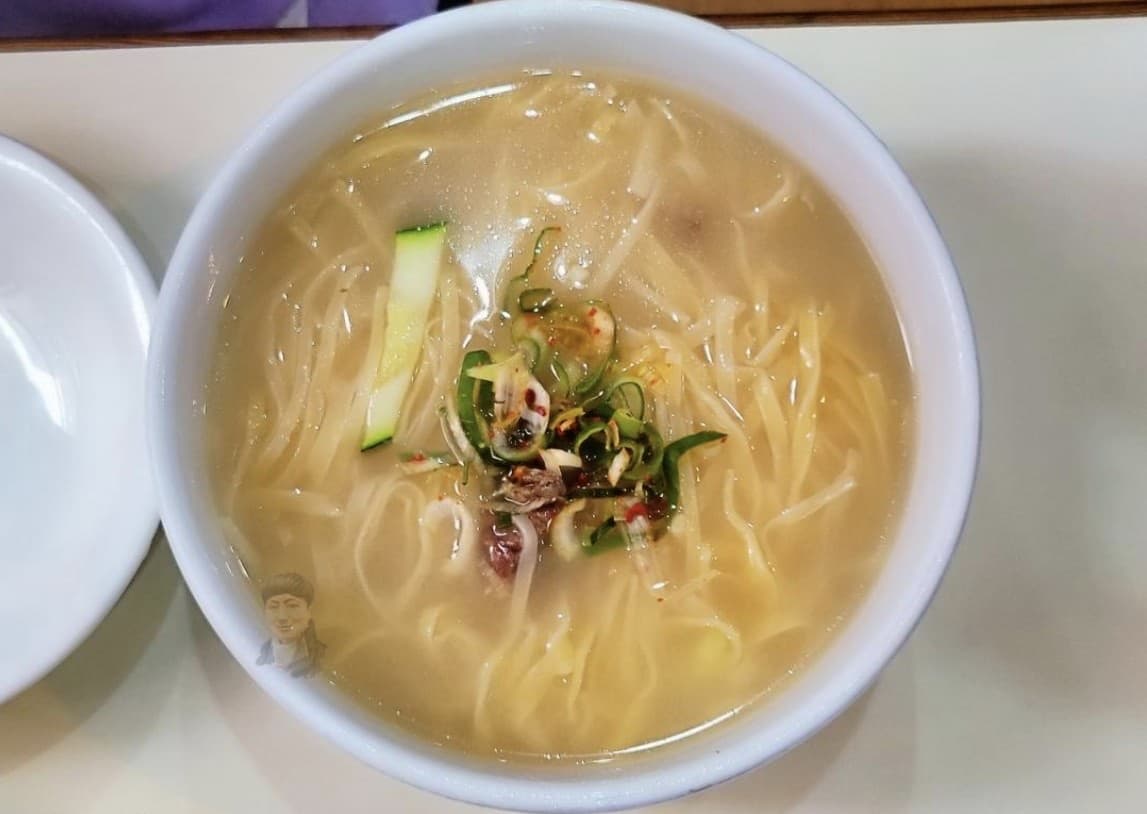
Andong Guk-si Soram
Authentic Andong-style noodles following noble-family recipes.
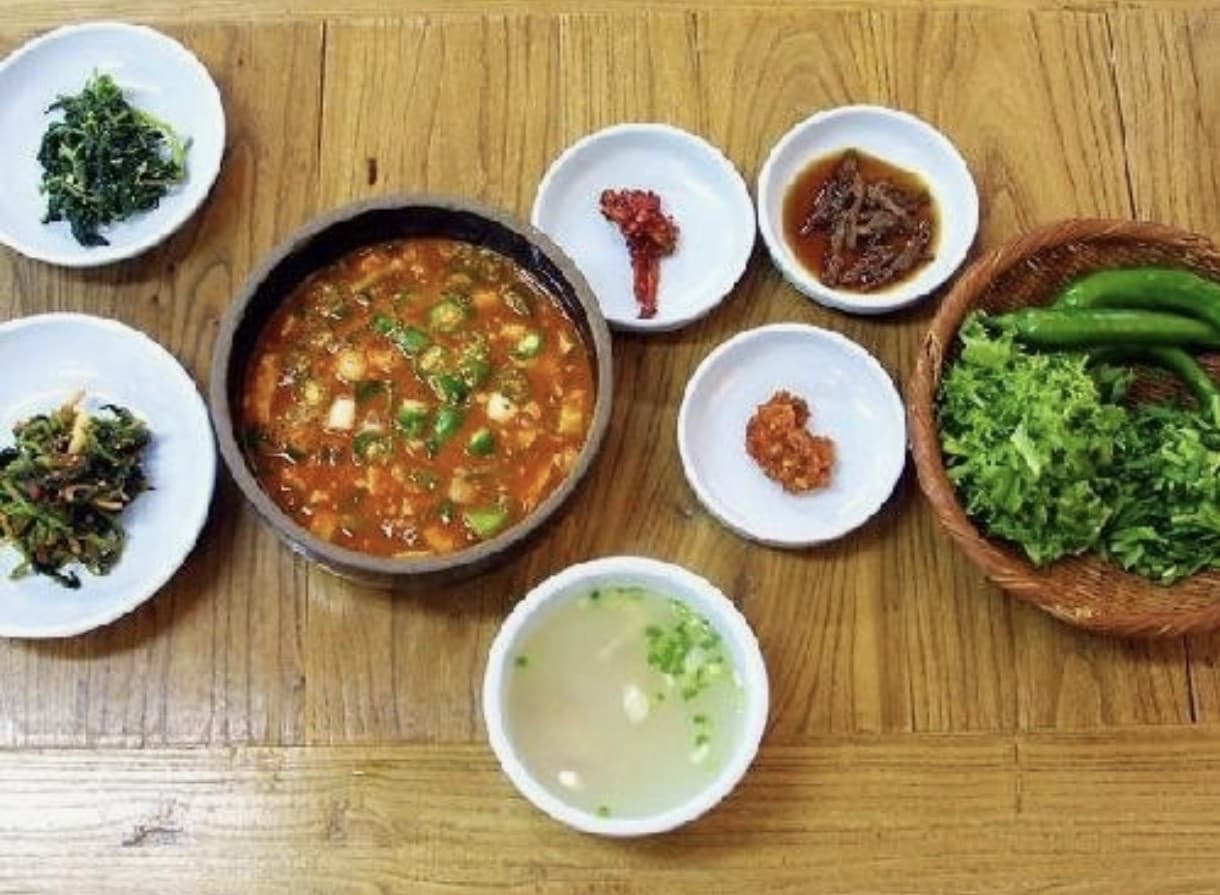
Doenjang Yesul
Rustic doenjang bibimbap and home-style dishes — a great intro to Korean comfort food. Tip - A great place to enjoy a variety of authentic Korean comfort food!
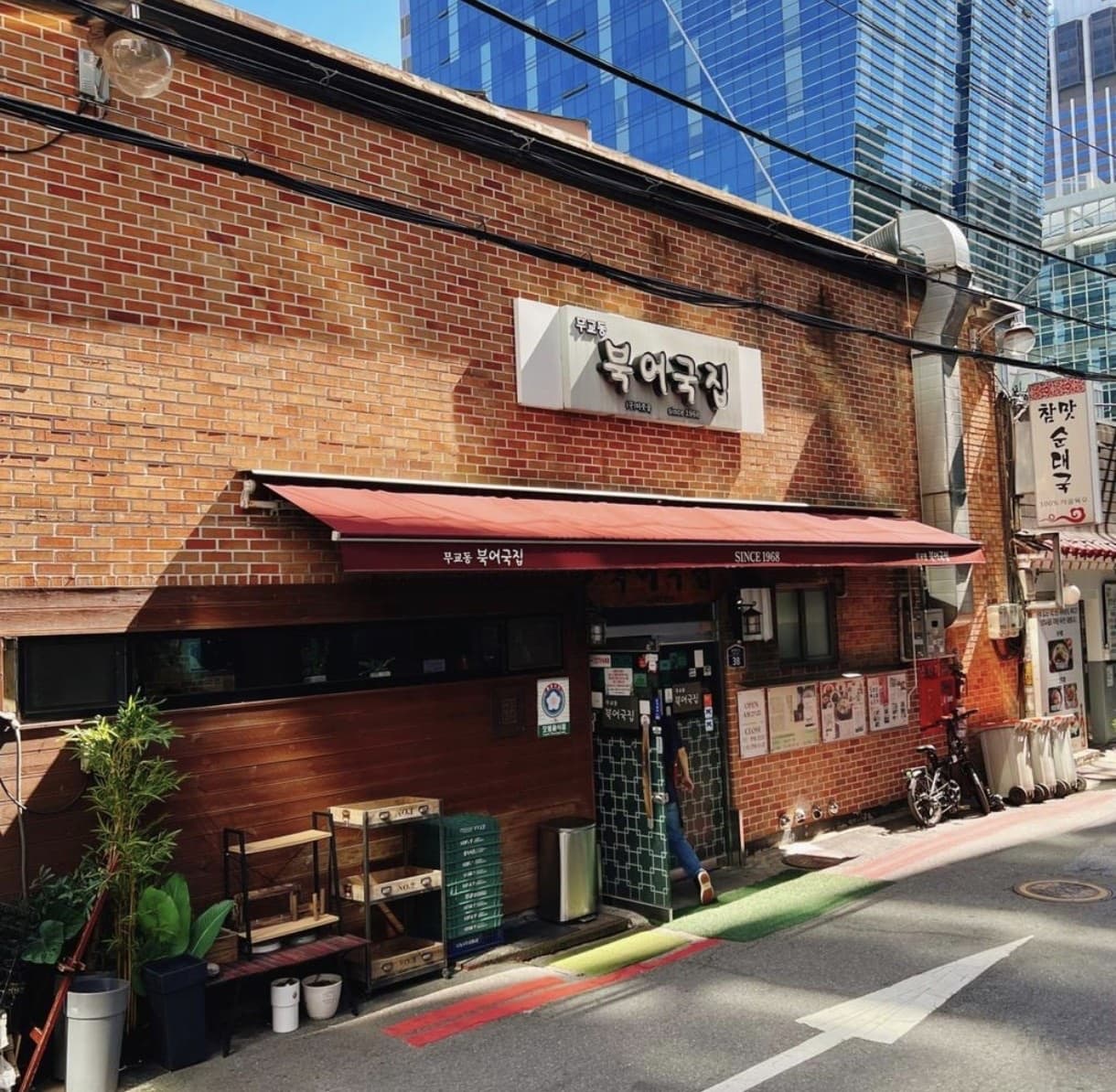
Mugyo-dong Buk-eo-gukjip
60-year-old spot serving only buk-eo haejang-guk, with free rice and soup refills. Tip - morning spot! It opens at 7 AM.
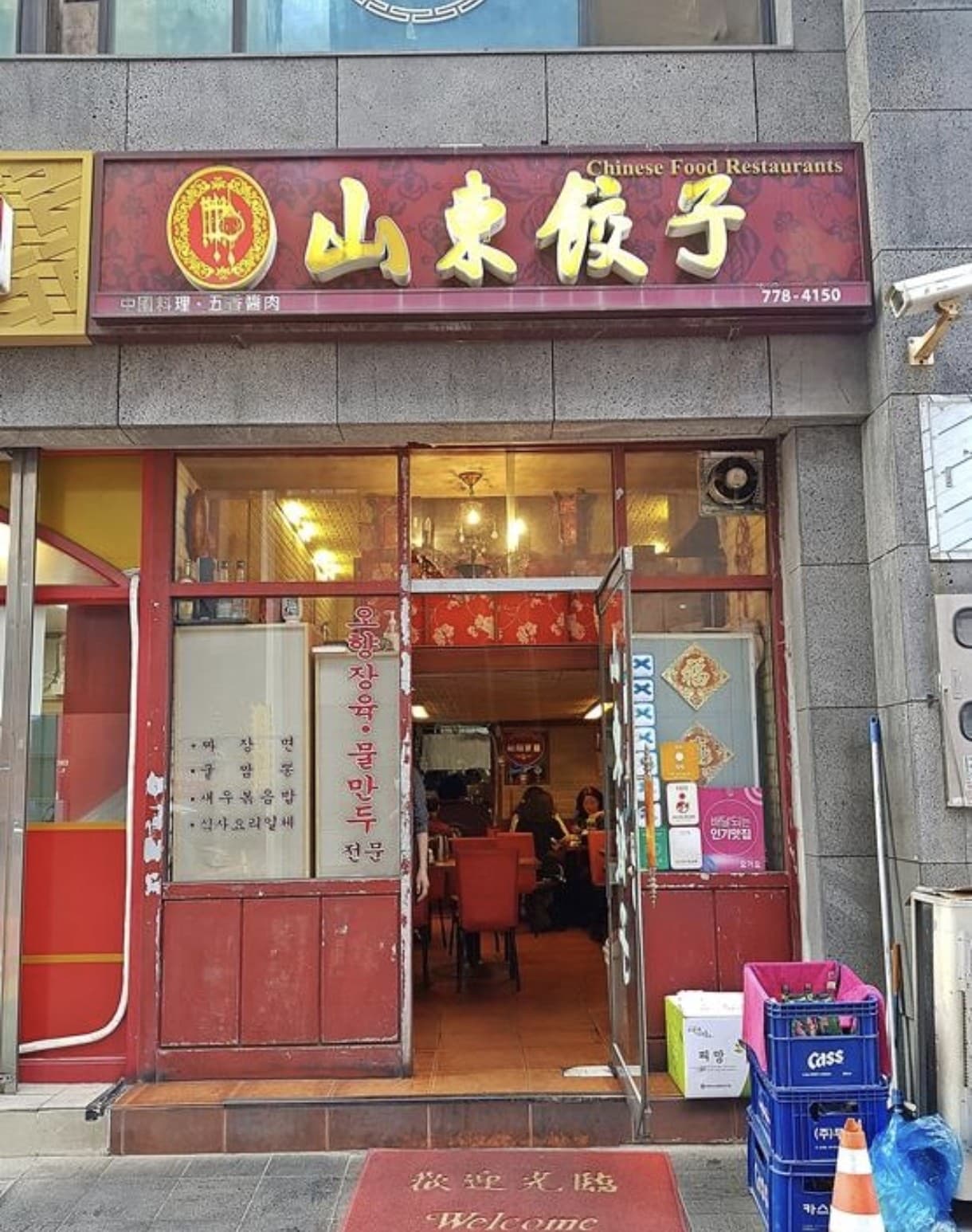
Sandong Gyoja
Old-Seoul Korean-Chinese comfort food in Myeongdong: five-spice pork, dumplings, noodles. Tip - enjoy real, comforting Korean-style Chinese food.
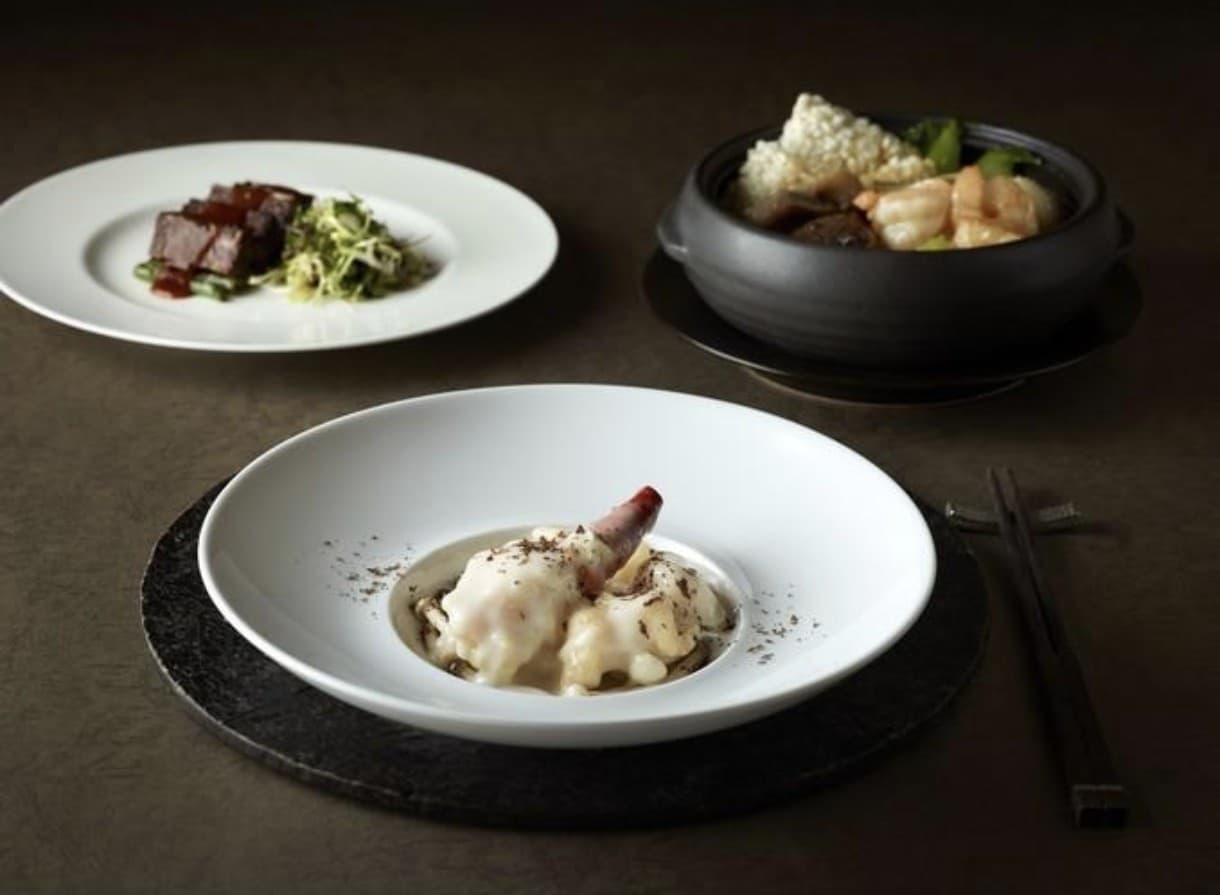
Palsun
Upscale Cantonese fine dining at The Shilla Seoul with seasonal course menus. Tip - the number 1 spot for Korean-style Chinese cuisine!
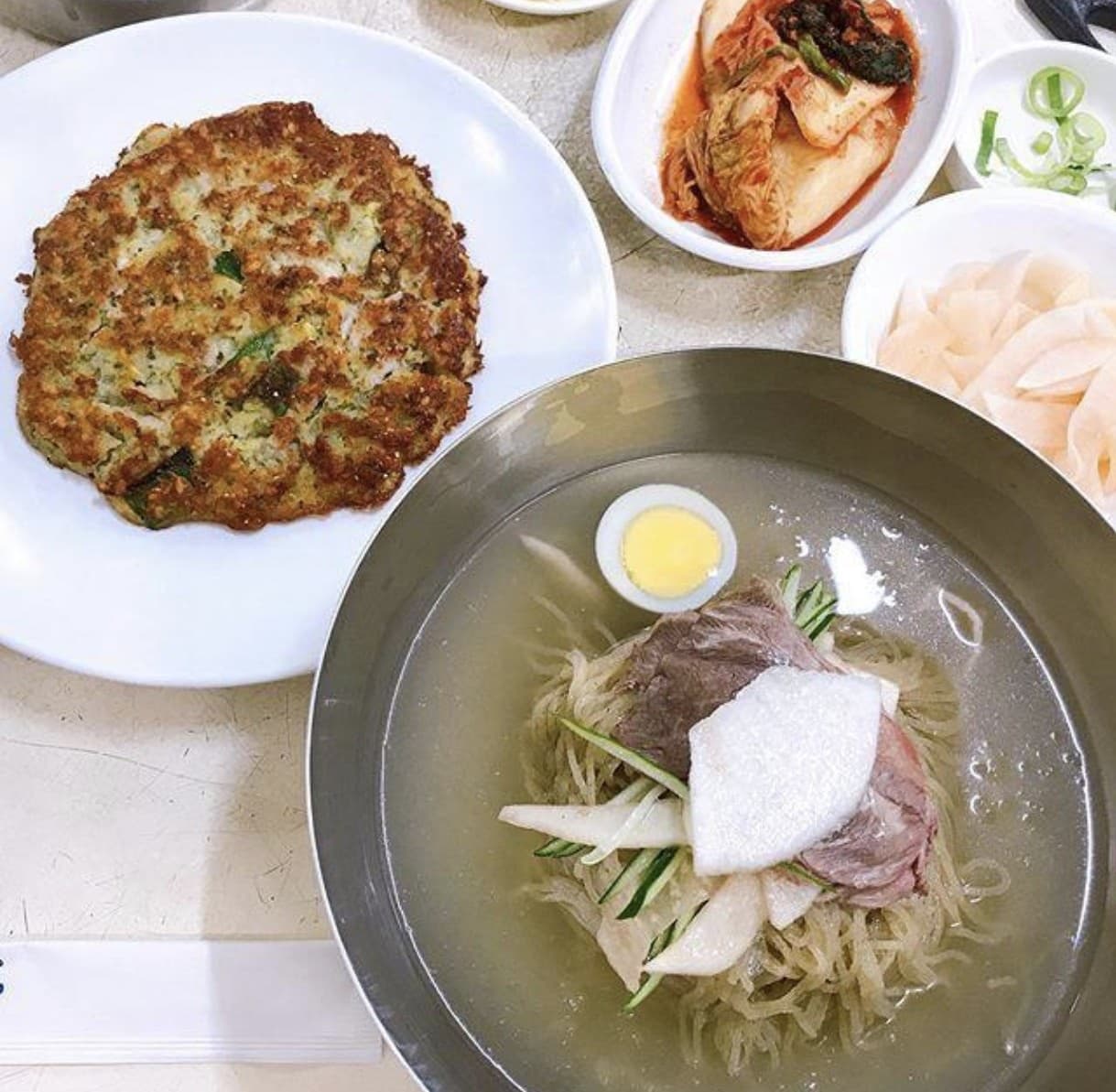
Eulmildae
Landmark Pyongyang naengmyeon — icy broth, buckwheat noodles, and mung bean pancakes. Tip: Add vinegar directly to the noodles!
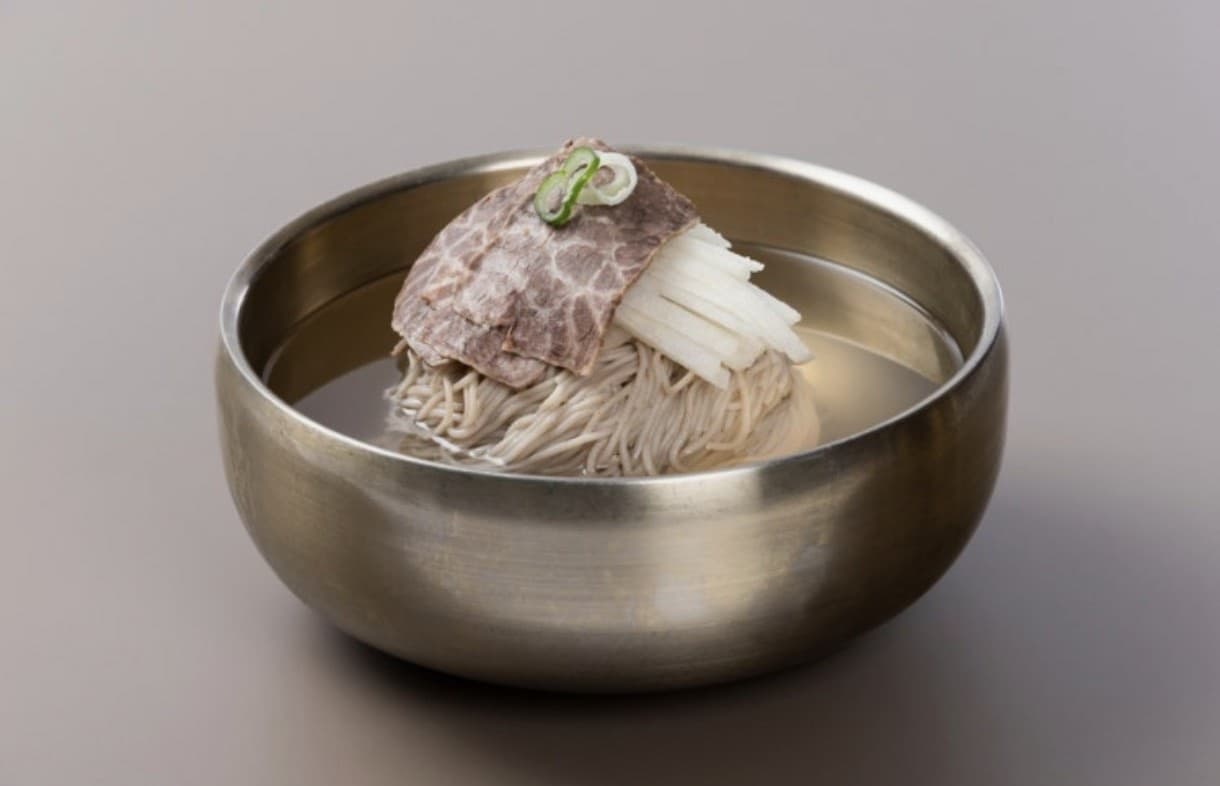
Bongmilga
Michelin Bib Gourmand naengmyeon near Gangnam-gu Office; umami broth with pear vinegar. Tip: Add vinegar directly to the noodles!
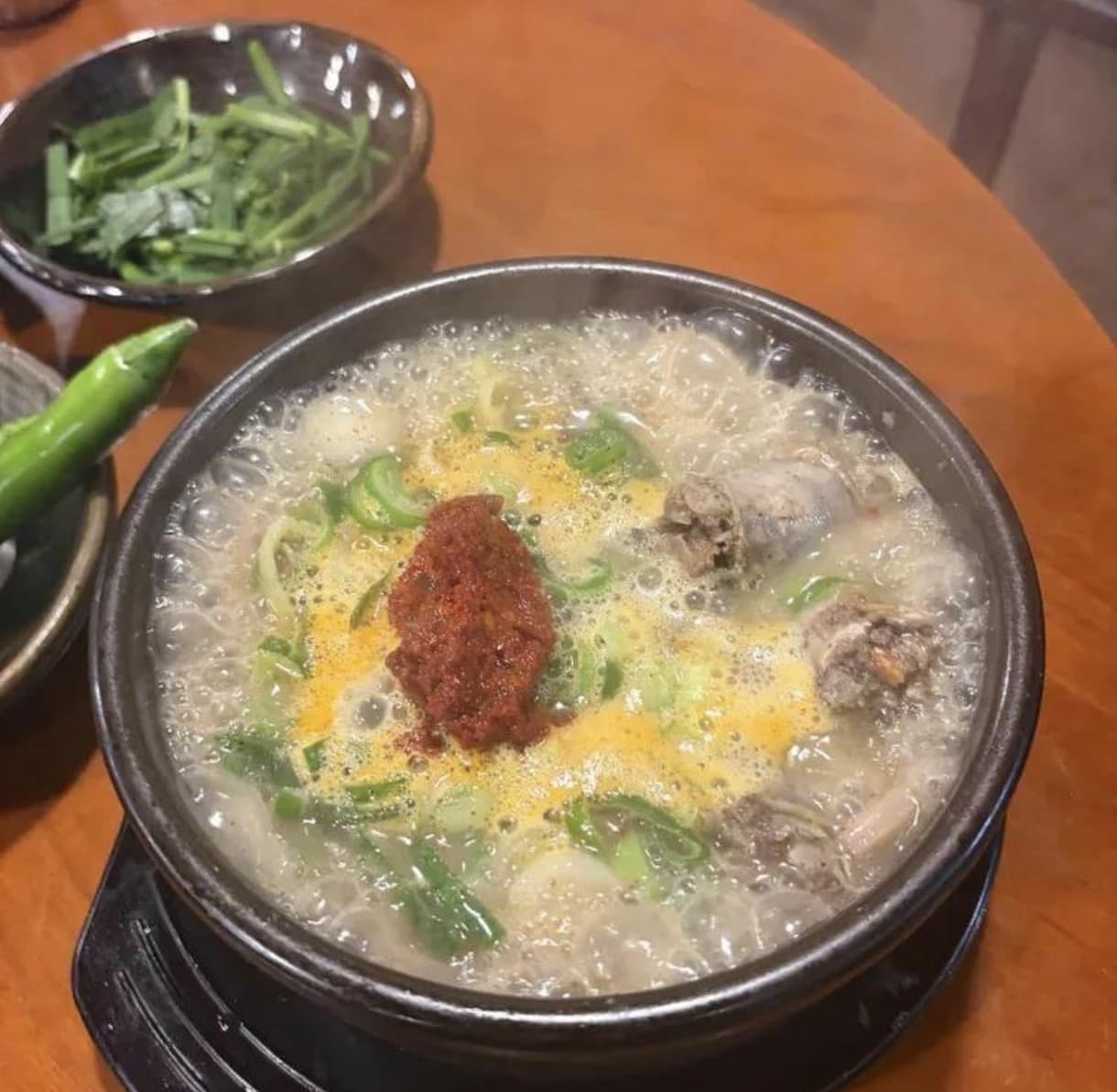
Nongmin Baekam Sundae
Deep, clean sundae (blood sausage) soup with a spicy kick in Daechi-dong. The best sundae soup (Korean blood sausage soup) ever in Seoul! Tip - pick the main branch!
 Authentic K-food
Keungiwajip
The essence of traditional Korean soy-marinated crab — a premier Hanjeongsik (full-course) restaurant in historic Bukchon, celebrated for its legendary ganjang-gejang. Tip - Level up your authentic K-food game!
 Authentic K-food
Gwanghwamun-jip
A decades-old sanctuary for authentic kimchi stew, serving Korean soul food for over 40 years in a nostalgic 1980s setting. Must-try: kimchi-jjigae and the signature egg roll. Tip - Level up your authentic K-food game!
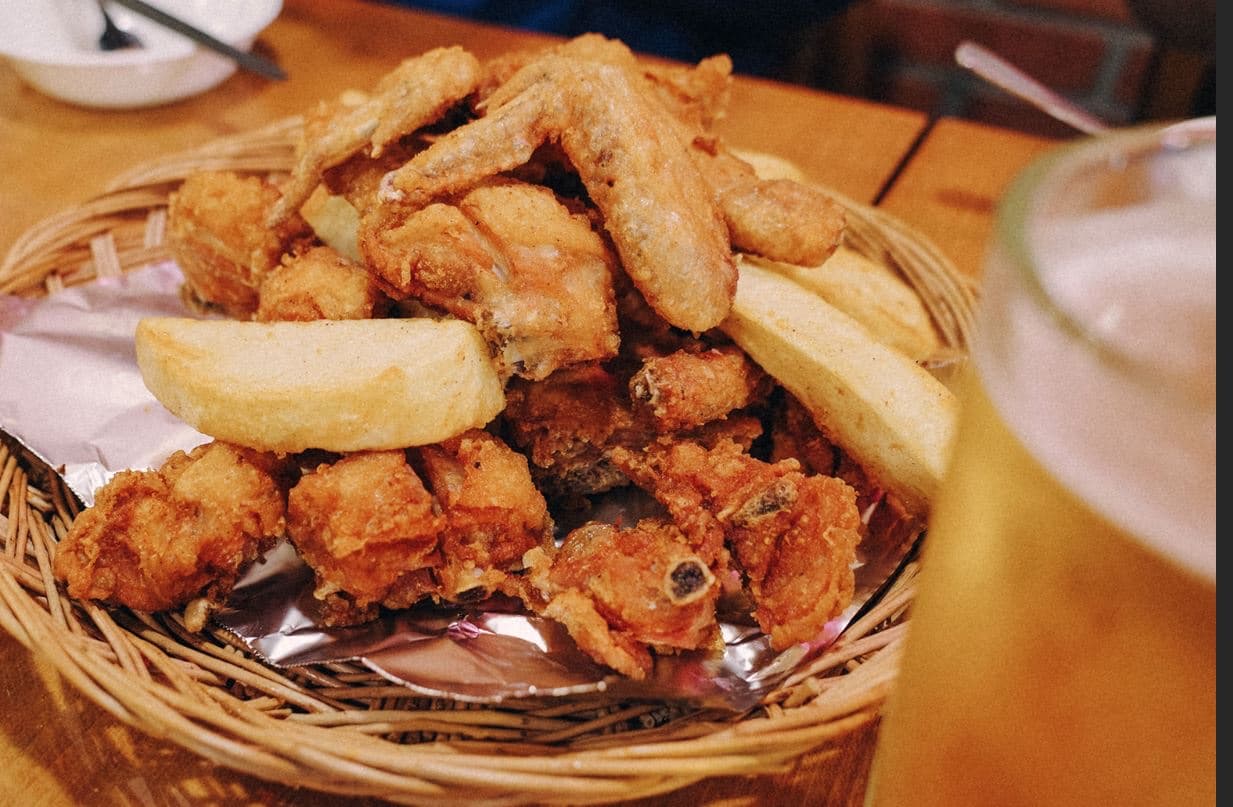
Gyeolsa — Real K-Fried Chicken
A long-established fried chicken favorite in Buam-dong, known for crispy chicken and generous fried potatoes in a relaxed setting. Tip: enjoy 'chimaek' — crispy fried chicken with a refreshing draft beer. Tip - the real best Korean fried chicken in Seoul!
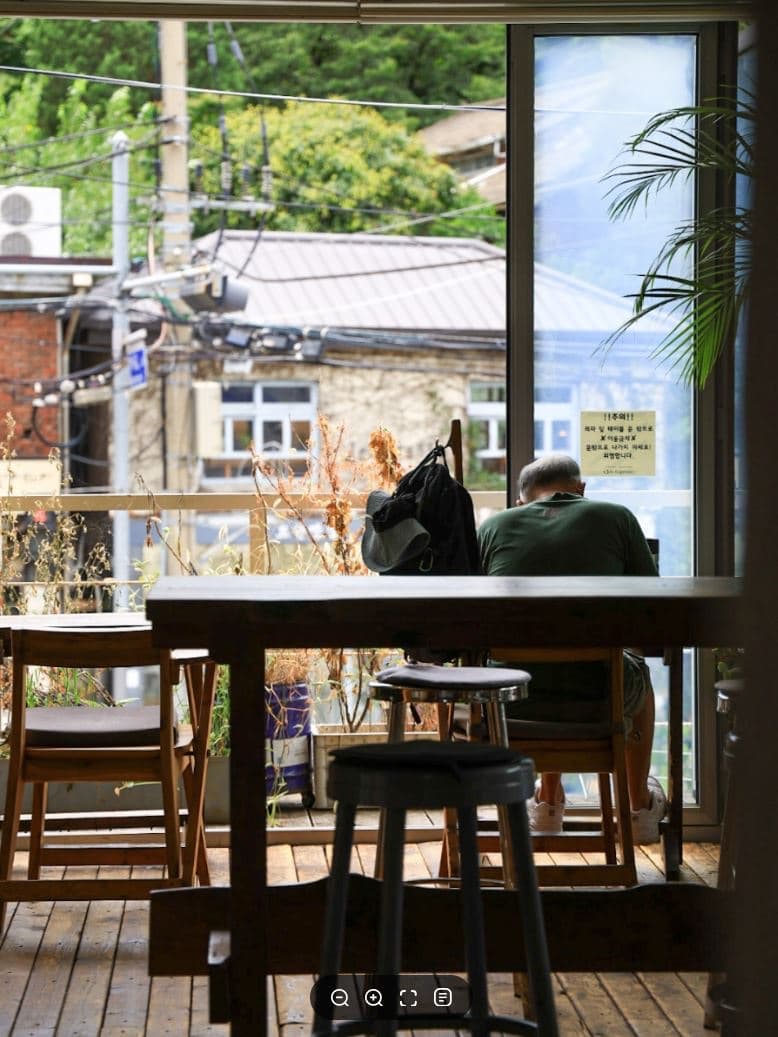
Club Espresso
A beloved Buam-dong coffee shop and first-generation Korean espresso cafe established in 1990, known for its wide selection of beans and rich, flavorful coffee. Tip: enjoy an Iced Hawaiian Coffee on the upper terrace.
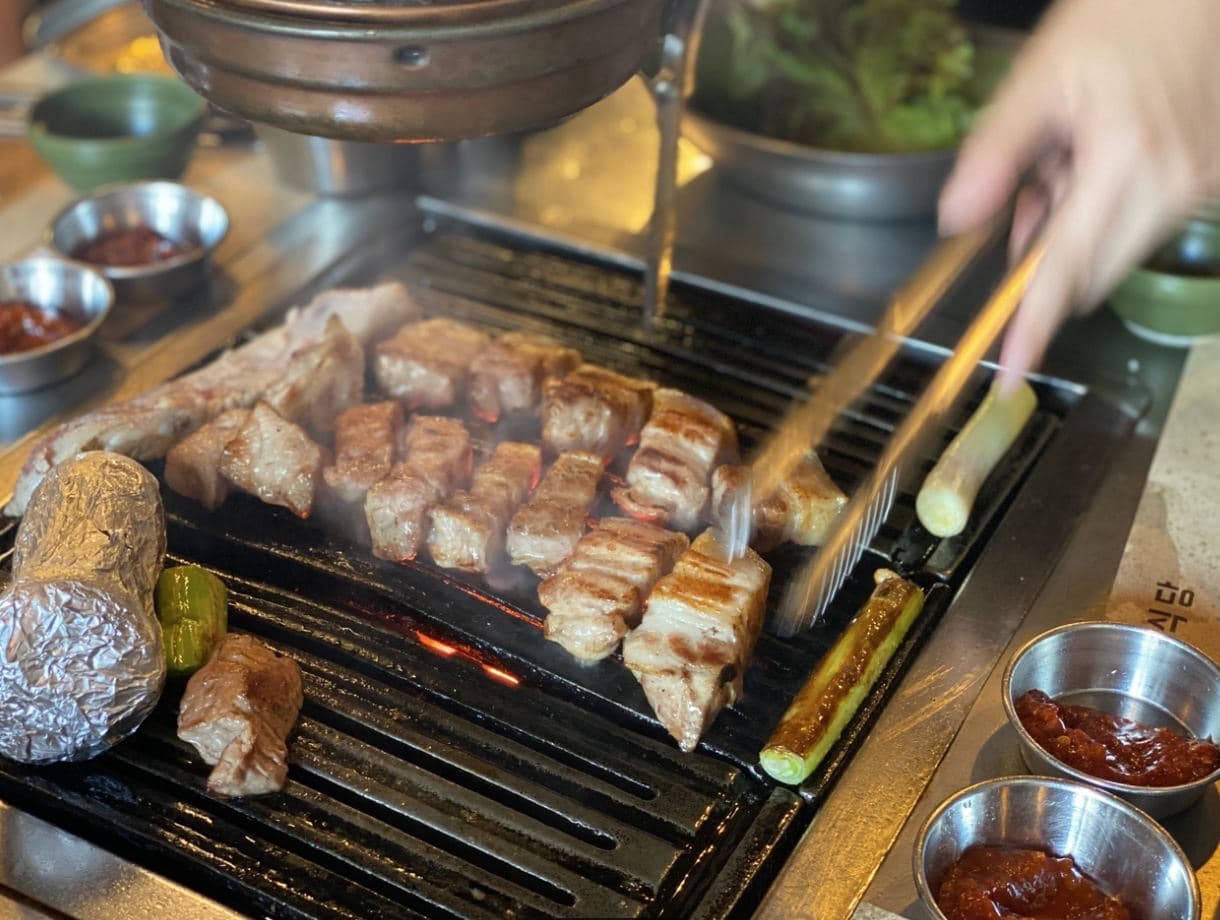
Geumdwaeji Sikdang — Authentic Korean Pork BBQ
One of Seoul's most famous Korean barbecue restaurants, renowned for high-quality pork and traditional charcoal grilling. Thick, tender cuts with a rich, smoky flavor make it a great place to experience one of Korea's most beloved dining traditions. Tip: enjoy it with a glass of Korean soju for the full Korean BBQ experience.
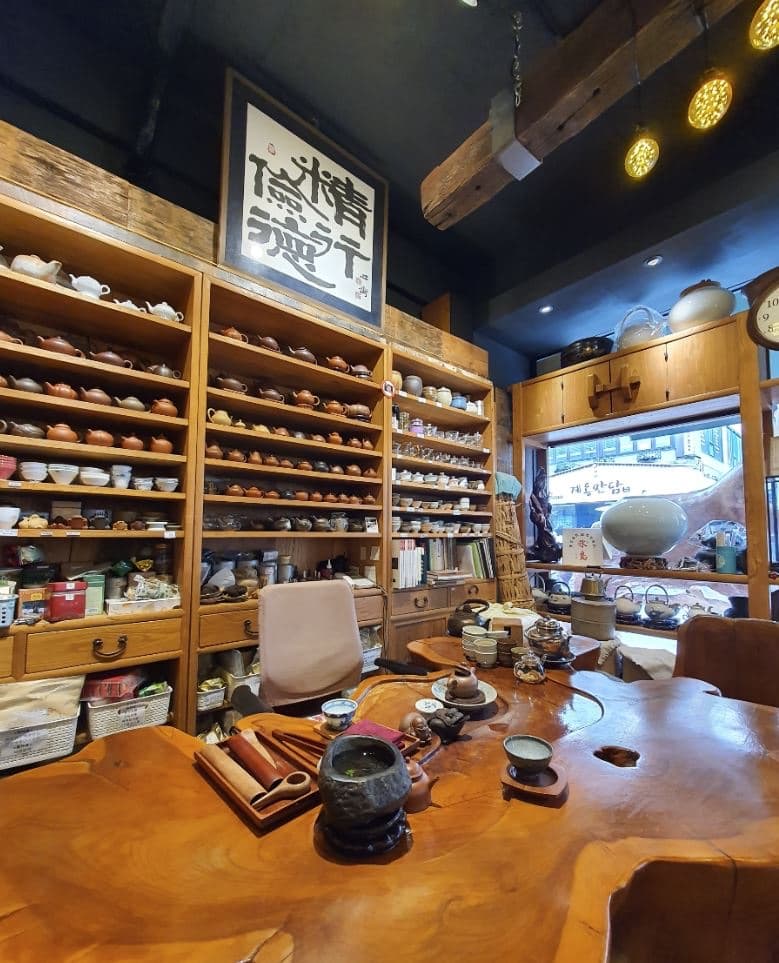
Kkikdageo — First-Generation Korean & Chinese Tea House
A traditional Bukchon tea house to experience rich Korean and Chinese tea culture, specializing in fine teas including Pu-erh, oolong, white, black, and green. Quiet and authentic, it's a relaxing break from sightseeing — highly recommended for tea lovers seeking a more traditional Korean experience. Tip: They usually offer a free tasting!
Samgyetang and hand-made mandu soup tend to please international palates right away, while Pyongyang naengmyeon and sundae soup can be more polarizing — yet they offer a deeper dive into Korea's culinary diversity. We encourage you to give them a try.